
After more than two decades, Brazil has officially resumed national insulin production in a major step toward pharmaceutical self-sufficiency and improved public health outcomes. The initiative, spearheaded by the Ministry of Health, is part of a broader strategic plan to develop the Health Economic-Industrial Complex and reduce reliance on imported medications.
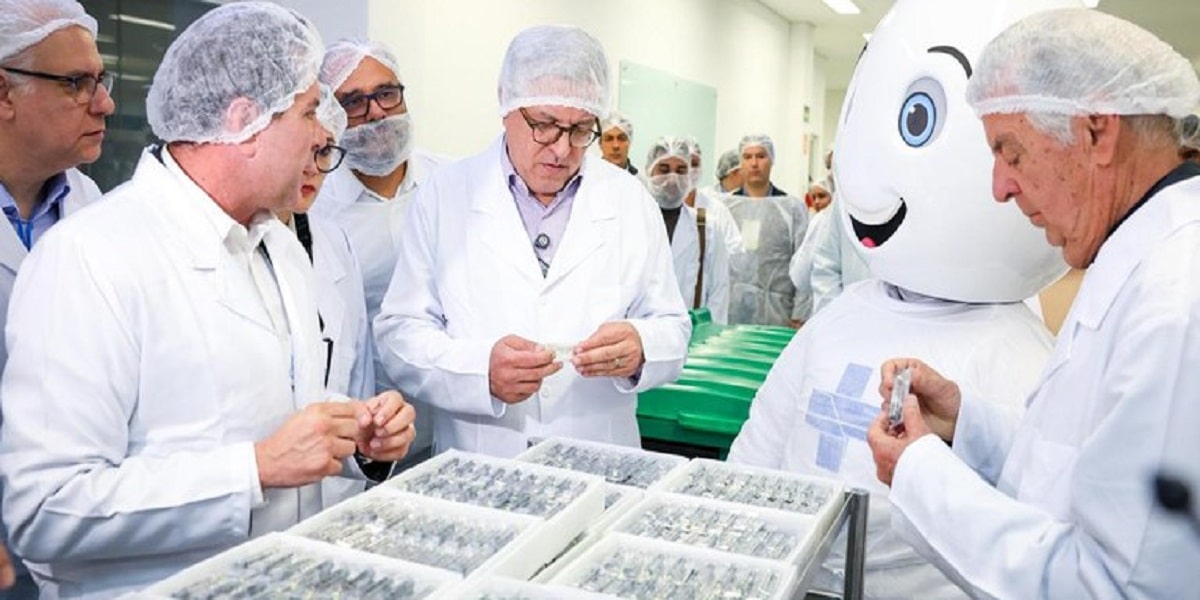
On July 11, 2025, Health Minister Alexandre Padilha received the first batch of domestically produced insulin at the Biomm facility in Nova Lima, Minas Gerais.
The production—made possible through a Partnership for Productive Development (PDP) with Indian pharmaceutical company Wockhardt—includes 207,385 units of regular and NPH insulin. Once technology transfer is complete, Brazil aims to produce 50% of its annual insulin demand, equaling about 45 million doses.
“Today is a historic day for Brazilian public health,” said Minister Padilha. “After more than two decades without producing human insulin, Brazil is resuming production for delivery to the Unified Health System (SUS) and contributing to the health of the population.”
The resumption is expected to benefit approximately 350,000 people living with diabetes, who depend on regular access to insulin for survival. It also aligns with the government’s commitment to safeguarding public health from external supply chain disruptions.
“This guarantees peace of mind, security, and stability for both the SUS and the citizens who depend on the medication,” Padilha emphasized.
The initiative includes a R$142 million investment and is part of a larger plan to also manufacture insulin glargine, a long-acting analogue, in collaboration with Fiocruz and Chinese firm Gan & Lee. Combined, these efforts reflect Brazil’s dedication to pharmaceutical sovereignty, job creation, and innovation within the BRICS framework.
With these steps, Brazil is not only ensuring access to essential medicines but also reinforcing the resilience of its national health system.