

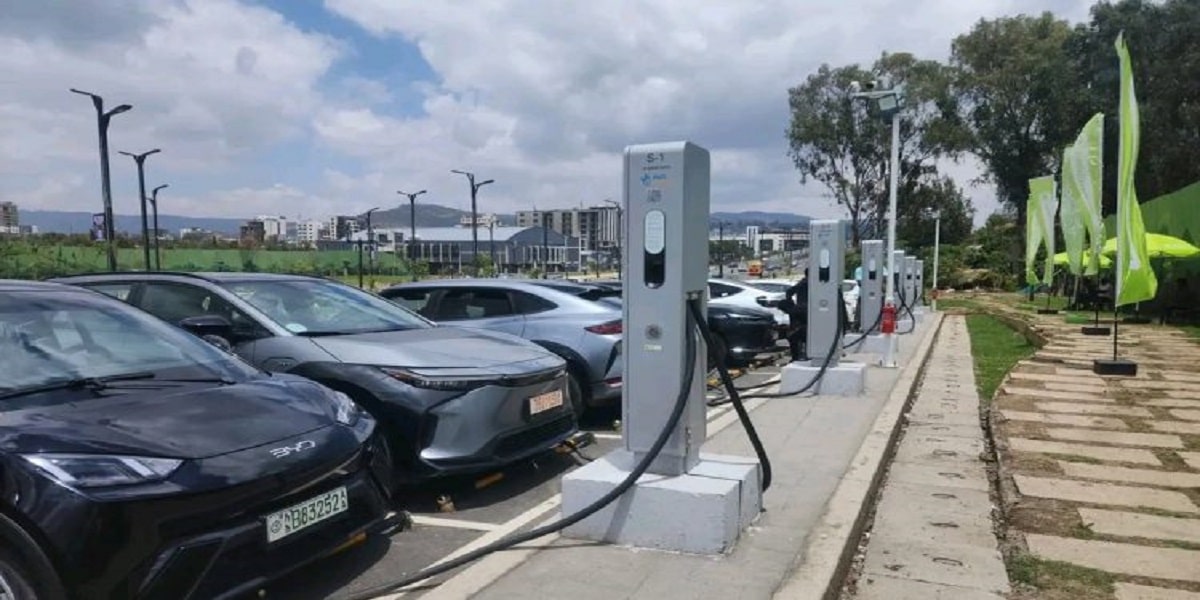
Ethiopia is taking bold strides toward building a climate-resilient green economy by prioritizing electric transport as a key pillar of its sustainability strategy. According to the Ministry of Transport and Logistics, the nation’s growing investment in electric vehicles (EVs) and electric rail systems is helping to cut greenhouse gas emissions while fostering long-term ecological resilience.
Yizengaw Yitayih, senior climate change expert at the Ministry, told Fana Media Corporation that Ethiopia is actively implementing its commitments under the Paris Agreement, ratified in 2015.
“The deployment of electric vehicles in the transport sector is one of the critical measures being undertaken to reduce carbon emissions,” Yitayih stated.
Ethiopia’s comprehensive approach includes the local assembly of EVs, the installation of public charging infrastructure, and the introduction of electric fleets across major urban centers. Cities like Addis Ababa have already rolled out electric buses that are transforming public transport and supporting the development of a modern, multi-modal mobility network.
As part of its broader green strategy, the government also launched the Green Legacy Programme, an ambitious initiative to promote climate adaptation and environmental sustainability through massive tree-planting campaigns and ecological restoration projects.
Yitayih noted that beyond environmental benefits, EV adoption also helps improve urban air quality and reduces reliance on imported fossil fuels, thereby lowering national fuel expenditures.
“These collective efforts underscore the government’s commitment to building a climate-resilient green economy,” he added.
In parallel, Ethiopia is advancing its electric rail infrastructure. Projects like the Addis Ababa Light Rail Transit and the Ethio-Djibouti Railway have already begun to ease the environmental burden of both passenger and freight transportation.
With a strong focus on sustainable mobility, Ethiopia is positioning itself as a regional leader in green development. The ongoing integration of electric transport into its urban and national infrastructure not only aligns with global climate goals but also sets a foundation for inclusive, low-carbon economic growth.