

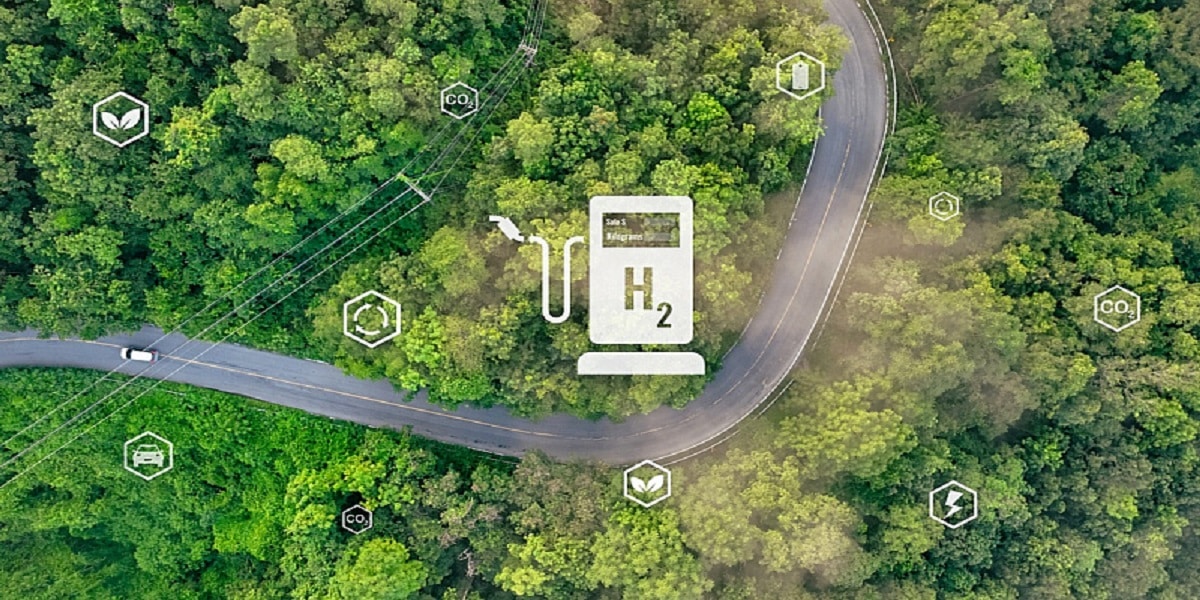
India has launched its first “hydrogen highways,” marking a milestone in the nation’s push for clean mobility and green hydrogen adoption. The initiative introduces hydrogen refuelling stations along major national highway corridors, enabling long-haul hydrogen-powered trucks and freight vehicles to operate across strategic routes.
Union Road Transport and Highways Minister Nitin Gadkari inaugurated the project during the World Hydrogen India Summit hosted by S&P Global Commodity Insights. Emphasizing the role of hydrogen in energy security, he declared:
“Hydrogen is the fuel of the future. We have now launched the world’s first large-scale hydrogen truck trials. A budgetary allocation of Rs 500 crore has been sanctioned to five consortiums across ten routes, with 37 vehicles participating.”
The plan includes nine hydrogen fuelling stations across ten corridors to support ongoing trials. According to Gadkari, these corridors will create the foundation for a nationwide clean transport ecosystem while addressing India’s heavy reliance on imported crude oil, which currently meets 87% of demand and costs nearly Rs 22 lakh crore annually.
The summit brought together policymakers, industry leaders, and global experts to discuss regulatory frameworks, financing strategies, and hydrogen trade corridors. Experts highlighted how hydrogen could replace grey hydrogen in fertiliser production, decarbonise industrial processes, and accelerate adoption in chemical manufacturing.
Shushil Kumar Singh, Chairman of Mumbai Port Authority & Deendayal Port Authority, stressed the importance of developing dedicated shipping corridors, international certification standards, and logistics infrastructure to align India’s hydrogen exports with global benchmarks.
With hydrogen highways now operational, India aims to position itself as a global hub for green hydrogen innovation and sustainable mobility. The initiative not only underscores the country’s climate commitments but also paves the way for reducing energy import dependence and driving industrial transformation.