
Brazil and China have taken a major step toward strengthening their health cooperation with the signing of a new agreement to jointly produce medicines for cancer, diabetes, obesity, and autoimmune diseases.
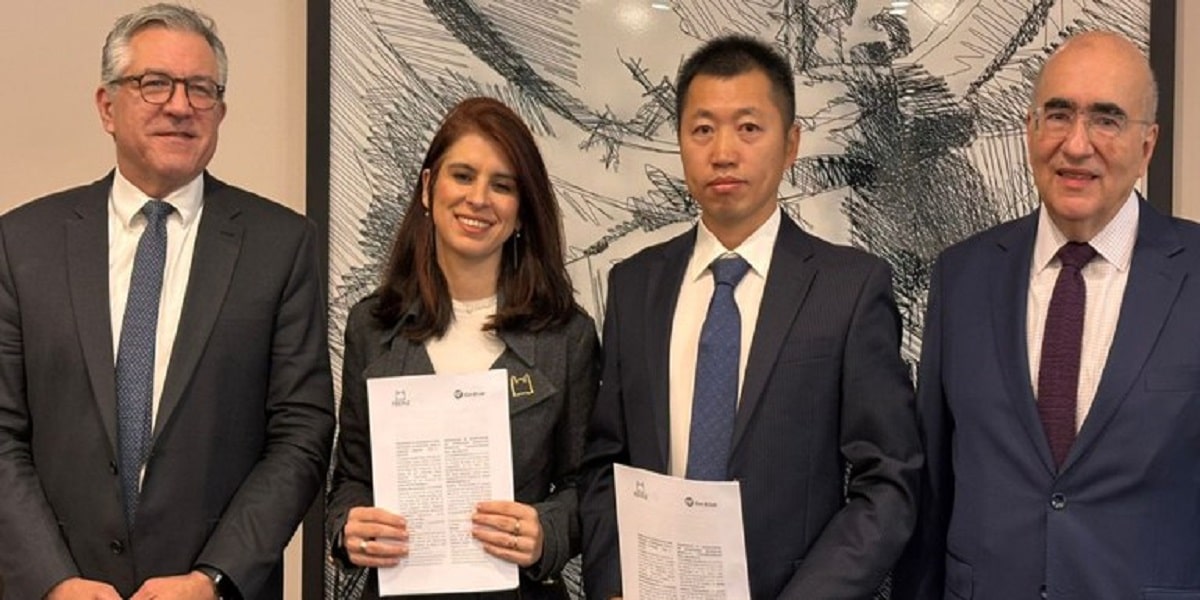
The deal was formalized between Brazil’s Ministry of Health, Fiocruz, Biomm, and China’s biopharmaceutical company Gan & Lee Pharmaceuticals, marking a milestone in technological exchange and public health collaboration.
The Memorandum of Understanding (MoU) is part of Brazil’s broader strategy to boost its Unified Health System (SUS) through innovation and local production. Initially, Brazil will begin domestic production of insulin glargine, a long-acting form of insulin used to treat type 1 and type 2 diabetes. Over time, the process will evolve from bottling and labeling imported ingredients to fully manufacturing the Active Pharmaceutical Ingredient (API) at Fiocruz’s Strategic Inputs Technology Center in Ceará.
“The governments of Brazil and China are making a strong commitment to ensuring that this strategic partnership between Fiocruz, Biomm, and Gan & Lee is productive, capable of generating joint knowledge and ensuring more medicines for the Brazilian people,” said Alexandre Padilha, Brazil’s Minister of Health. He also invited Gan & Lee’s CEO, Wei Chen, to visit Brazil later this year to deepen bilateral cooperation.
In response, Wei Chen stated, “We believe this project will be a model of international collaboration, capable of fostering new alliances between Chinese and Brazilian companies and, most importantly, contributing to ensuring more patients have access to safe and modern therapies.”
The agreement also supports research into GLP-1 analogues, medications inspired by a natural intestinal hormone that regulates appetite and blood glucose—vital for treating obesity and type 2 diabetes.
According to China’s National Development and Reform Commission, the country’s biopharmaceutical sector grew rapidly in 2024, placing it second globally in the number of new drugs developed.
By promoting technology transfer and domestic manufacturing, the partnership is expected to reduce Brazil’s dependence on imported drugs, cut public health costs, and enhance national resilience in medicine production. This collaboration not only represents a scientific advance but also symbolizes a geopolitical shift toward health sovereignty and South-South cooperation.