
5
Ad 728x90
  • Home
  • Politics
    • Foreign Policy
    • Governance & Policy
    • Geopolitical Strategy
    • Security & Defense
    • Human Rights
    • Elections
  • Economy
    • Banking News
    • BRICS Healthcare News
    • BRICS Energy News
    • Transport News
    • Agriculture News
    • Tourism News
  • World News
  • BRICS Cooperation
  • BRICS Explained
    • Members
    • Candidates
    • Summits
  • Home
  • Politics
    • Foreign Policy
    • Governance & Policy
    • Geopolitical Strategy
    • Security & Defense
    • Human Rights
    • Elections
  • Economy
    • Banking News
    • BRICS Healthcare News
    • BRICS Energy News
    • Transport News
    • Agriculture News
    • Tourism News
  • World News
  • BRICS Cooperation
  • BRICS Explained
    • Members
    • Candidates
    • Summits
  • Home
  • Politics
    • Elections
    • Foreign Policy
    • Geopolitical Strategy
    • Governance & Policy
    • Human Rights
    • Security & Defense
  • Economy
    • Agriculture News
    • Banking News
    • BRICS Energy News
    • BRICS Healthcare News
    • Tourism News
    • Transport News
    • World News
  • BRICS Cooperation
  • BRICS Explained
    • Candidates
    • Members
    • Summits
  • Home
  • Politics
    • Elections
    • Foreign Policy
    • Geopolitical Strategy
    • Governance & Policy
    • Human Rights
    • Security & Defense
  • Economy
    • Agriculture News
    • Banking News
    • BRICS Energy News
    • BRICS Healthcare News
    • Tourism News
    • Transport News
    • World News
  • BRICS Cooperation
  • BRICS Explained
    • Candidates
    • Members
    • Summits
Home Economy Health

Iran Unveils Resorbable 3D-Printed Bone Graft, Advancing BRICS Medical Innovation

Once implanted, the material dissolves naturally within 18–24 months, eliminating the need for a secondary surgery to remove it

Iran bones
Share on FacebookShare on Twitter

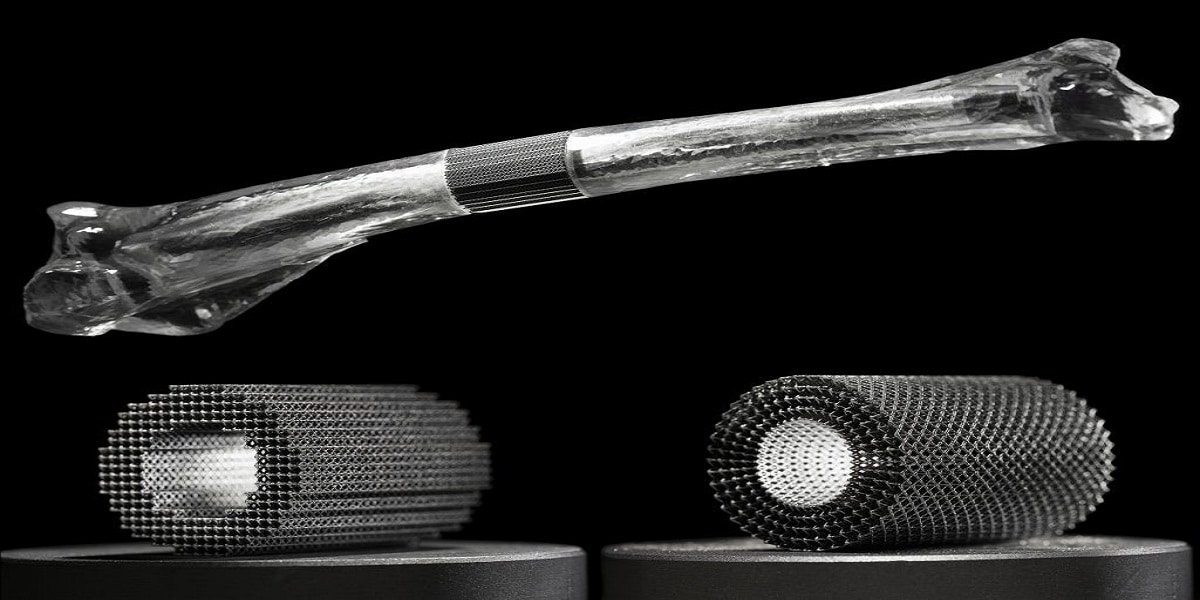
Iran has introduced a groundbreaking resorbable 3D-printed bone graft designed for complex reconstructive procedures, marking a major step forward in the country’s biomedical innovation.

The new graft can be used to repair severe bone defects in multiple areas of the body, including the upper and lower jaw, and offers solutions for trauma-related injuries as well as congenital deformities. Some versions are engineered specifically for delicate regions such as the eye socket.

What sets this innovation apart is its full biodegradability. Once implanted, the material dissolves naturally within 18–24 months, eliminating the need for a secondary surgery to remove it—an improvement over conventional titanium implants, which typically require extraction.

More than 30 successful operations using the resorbable graft have already been performed in Iran. The developing company believes this breakthrough will position it strongly in the global advanced medical equipment market.

This achievement aligns with broader BRICS-driven progress in medical science.

In Russia, researchers at the International Research Institute of Intelligent Materials of Southern Federal University are working on implant materials capable of transforming into bone tissue. Their latest study reveals how brushite-based implants can be engineered to convert into hydroxyapatite—the mineral that forms natural bone and teeth.

“We’ve established a mutually reinforcing effect between calcium carbonate and proteins,” explained Elizaveta Mukhanova, head of the research laboratory at the Moscow Institute of Chemical Sciences. “Together, they act as a catalyst, causing brushite particles to dissolve and immediately form strong hydroxyapatite crystals identical to natural ones.”

Meanwhile, medical innovation is also accelerating in the Middle East, where Saudi doctors recently completed the region’s first robot-assisted cochlear implant surgery using automatic implantation technology.

Together, these developments signal a new era of cross-regional scientific progress, with BRICS countries and partners contributing significantly to the advancement of next-generation medical treatments.


Related Posts

Etiopia cancer society

Ethiopia Strengthens Pediatric Cancer Care with ESPHO Launch

Ethiopia has taken a landmark step toward improving childhood cancer outcomes with the official launch of the Ethiopian Pediatric Hematology...

China scientist

Chinese Researchers Turn Allergy Cells into Precision Weapon Against Cancer

Chinese scientists have unveiled a promising new cancer treatment strategy that harnesses one of the body’s fastest immune responses, potentially...

Kazakhstan medicine

Kazakhstan Boosts Early Cancer Detection as Mortality Falls 20%

Kazakhstan has made significant strides in cancer care over the past five years, with early detection rates now exceeding 33...

5

BRICS News delivers the latest updates, insights, and trends shaping the alliance and its global impact. Stay informed with reliable, timely, and impactful news on economic and collaborative developments.

Facebook
Twitter
VK
  • Home
  • Politics
    • Foreign Policy
    • Governance & Policy
    • Geopolitical Strategy
    • Security & Defense
    • Human Rights
    • Elections
  • Economy
    • Banking News
    • BRICS Healthcare News
    • BRICS Energy News
    • Transport News
    • Agriculture News
    • Tourism News
  • World News
  • BRICS Cooperation
  • BRICS Explained
    • Members
    • Candidates
    • Summits
  • Home
  • Politics
    • Foreign Policy
    • Governance & Policy
    • Geopolitical Strategy
    • Security & Defense
    • Human Rights
    • Elections
  • Economy
    • Banking News
    • BRICS Healthcare News
    • BRICS Energy News
    • Transport News
    • Agriculture News
    • Tourism News
  • World News
  • BRICS Cooperation
  • BRICS Explained
    • Members
    • Candidates
    • Summits
  • Privacy Policy
  • Copyright Policy
  • Financial Disclaimer
  • Privacy Policy
  • Copyright Policy
  • Financial Disclaimer

© Crafted with love by Sirius

No Result
View All Result
  • Homepages

© 2018 JNews by Jegtheme.