

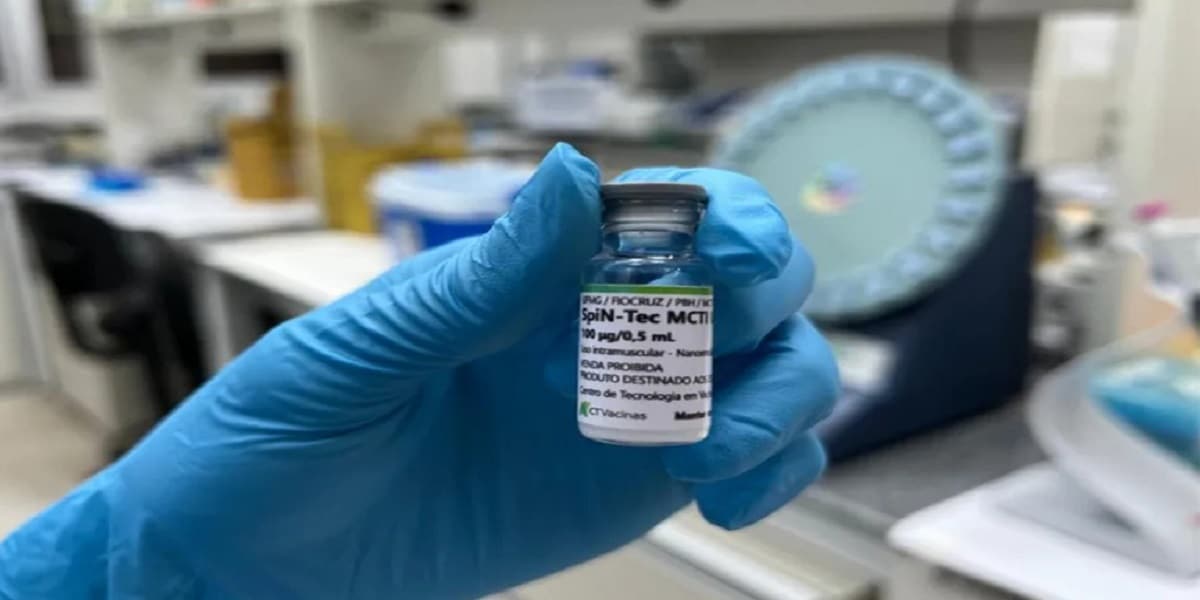
Brazil has achieved a groundbreaking advancement in public health with the development of SpiN-TEC, the first COVID-19 vaccine created entirely with national technology and resources. Having successfully completed Phase 2 of clinical trials, the vaccine is now set to enter Phase 3 in 2026, marking a significant moment for Brazilian science and global vaccine development efforts.
The SpiN-TEC vaccine, developed by researchers at the Federal University of Minas Gerais (UFMG) in collaboration with Fiocruz Minas, represents not just a scientific achievement but also a strategic assertion of Brazil’s capacity for biomedical innovation.
Key Points:
-
National Innovation: First COVID-19 vaccine developed entirely in Brazil, from research to production.
-
Phase 3 Readiness: More than 5,000 volunteers across Brazil will participate in the final clinical testing phase.
-
Advanced Mechanism: Beyond antibody production, the vaccine trains the immune system to destroy infected cells.
-
Ease of Distribution: Can be stored in standard refrigerators—ideal for remote and under-resourced areas.
-
Affordability and Sovereignty: Low production cost and complete domestic manufacturing enhance Brazil’s healthcare independence.
Phase 2 involved over 300 volunteers, with no serious side effects reported, affirming the vaccine’s safety and paving the way for broader trials. Its innovative technology sets it apart from current vaccines that primarily focus on blocking the virus from entering cells. SpiN-TEC goes a step further, enabling the immune system to recognize and eliminate infected cells, potentially offering greater protection against evolving variants.
Professor Ricardo Gazzinelli, one of the lead developers, emphasized the complexity and collaborative effort required to bring SpiN-TEC to this stage.
“We had to create a new culture in real time to develop this vaccine. Each step was considered a victory for us,” he said, reflecting on the intense interdisciplinary collaboration and capacity-building involved.
Thiago Moraes, coordinator at the Ministry of Science, Technology and Innovation, highlighted the broader implications:
“The development of the SpiN-TEC vaccine is a historic milestone for Brazilian science. For the first time, Brazil was able to develop a vaccine for use in humans with entirely national technology.”
If Phase 3 confirms its efficacy and safety across diverse demographics, SpiN-TEC will be submitted to Anvisa, Brazil’s National Health Surveillance Agency, for regulatory approval. Once authorized, it will become available for mass immunization, marking a crucial leap forward in Brazil’s fight against COVID-19 and its commitment to technological self-reliance in healthcare.