
5
Ad 728x90
  • Home
  • Politics
    • Foreign Policy
    • Governance & Policy
    • Geopolitical Strategy
    • Security & Defense
    • Human Rights
    • Elections
  • Economy
    • Banking News
    • BRICS Healthcare News
    • BRICS Energy News
    • Transport News
    • Agriculture News
    • Tourism News
  • World News
  • BRICS Cooperation
  • BRICS Explained
    • Members
    • Candidates
    • Summits
  • Home
  • Politics
    • Foreign Policy
    • Governance & Policy
    • Geopolitical Strategy
    • Security & Defense
    • Human Rights
    • Elections
  • Economy
    • Banking News
    • BRICS Healthcare News
    • BRICS Energy News
    • Transport News
    • Agriculture News
    • Tourism News
  • World News
  • BRICS Cooperation
  • BRICS Explained
    • Members
    • Candidates
    • Summits
  • Home
  • Politics
    • Elections
    • Foreign Policy
    • Geopolitical Strategy
    • Governance & Policy
    • Human Rights
    • Security & Defense
  • Economy
    • Agriculture News
    • Banking News
    • BRICS Energy News
    • BRICS Healthcare News
    • Tourism News
    • Transport News
    • World News
  • BRICS Cooperation
  • BRICS Explained
    • Candidates
    • Members
    • Summits
  • Home
  • Politics
    • Elections
    • Foreign Policy
    • Geopolitical Strategy
    • Governance & Policy
    • Human Rights
    • Security & Defense
  • Economy
    • Agriculture News
    • Banking News
    • BRICS Energy News
    • BRICS Healthcare News
    • Tourism News
    • Transport News
    • World News
  • BRICS Cooperation
  • BRICS Explained
    • Candidates
    • Members
    • Summits
Home Economy Health

Indian Scientists Pioneer Green Tea–Based Nanotherapy to Target Alzheimer’s Disease

“This is a rare approach in Alzheimer’s therapeutics which uniquely combines antioxidant, anti-amyloid, and neurotrophic actions,” the researchers added.

Nanoparticles alzheimer
Share on FacebookShare on Twitter

Indian researchers have unveiled a promising green tea–based nanoparticle therapy that could redefine how Alzheimer’s disease (AD) is treated. Scientists at the Institute of Nano Science and Technology (INST), Mohali, have identified a novel therapeutic pathway using multifunctional nanoparticles to address several core drivers of the disease simultaneously, according to the Ministry of Science & Technology.

Traditional Alzheimer’s treatments typically focus on a single pathological feature, such as amyloid plaque buildup or oxidative stress, often delivering limited clinical results.

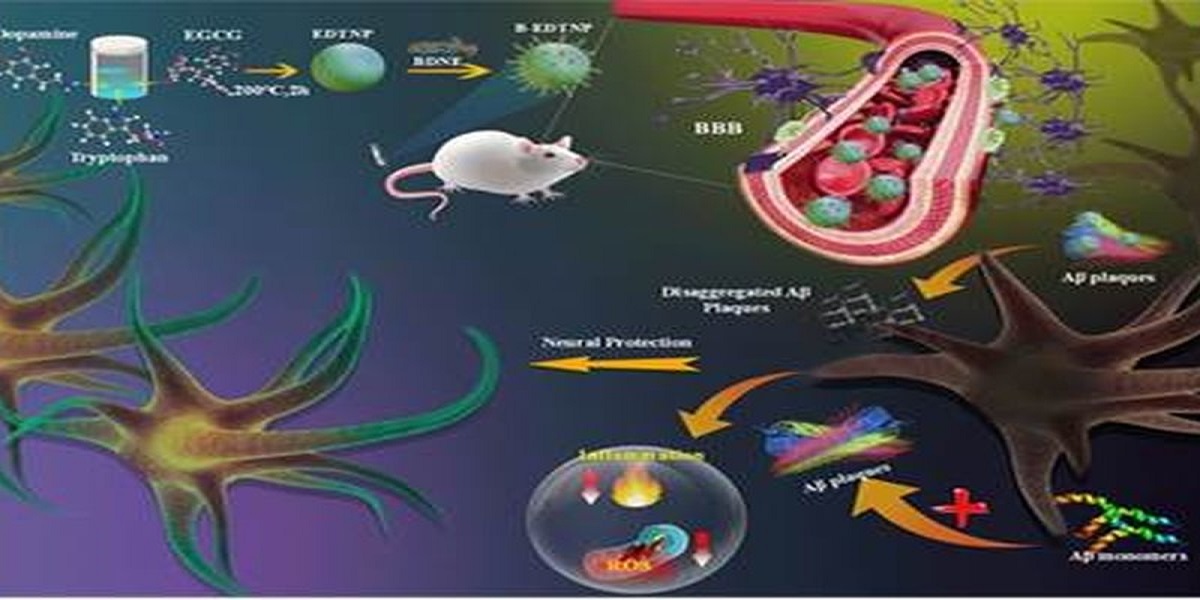
The newly developed approach integrates epigallocatechin-3-gallate (EGCG)—a powerful antioxidant found in green tea—with dopamine, a key neurotransmitter, and tryptophan, an essential amino acid. Together, these components form EGCG–dopamine–tryptophan nanoparticles (EDTNPs).

Published in the journal Small, the research suggests the therapy may slow disease progression, improve memory, and support cognitive function by tackling four major hallmarks of Alzheimer’s: amyloid aggregation, oxidative stress, inflammation, and neuronal degeneration.

The team further enhanced the therapy by incorporating Brain-Derived Neurotrophic Factor (BDNF), a protein critical for neuron survival and regeneration. “Incorporation of BDNF onto EDTNPs creates a dual-action nanoplatform that not only clears neurotoxic amyloid beta aggregates but also enhances neuronal regeneration,” said Dr. Jiban Jyoti Panda, who led the INST research team.

Laboratory tests and mouse models demonstrated striking results. The nanoparticles disassembled toxic plaques, reduced neuroinflammation, restored cellular balance in brain tissue, and improved learning and memory. Advanced computer simulations confirmed that the nanoparticles bind directly to harmful amyloid beta fibrils and dismantle them at the molecular level.

“This is a rare approach in Alzheimer’s therapeutics which uniquely combines antioxidant, anti-amyloid, and neurotrophic actions,” the researchers added. While clinical trials are still needed, the findings highlight a multi-target, biocompatible strategy that could open new avenues for Alzheimer’s treatment worldwide.


Related Posts

Etiopia cancer society

Ethiopia Strengthens Pediatric Cancer Care with ESPHO Launch

Ethiopia has taken a landmark step toward improving childhood cancer outcomes with the official launch of the Ethiopian Pediatric Hematology...

China scientist

Chinese Researchers Turn Allergy Cells into Precision Weapon Against Cancer

Chinese scientists have unveiled a promising new cancer treatment strategy that harnesses one of the body’s fastest immune responses, potentially...

Kazakhstan medicine

Kazakhstan Boosts Early Cancer Detection as Mortality Falls 20%

Kazakhstan has made significant strides in cancer care over the past five years, with early detection rates now exceeding 33...

5

BRICS News delivers the latest updates, insights, and trends shaping the alliance and its global impact. Stay informed with reliable, timely, and impactful news on economic and collaborative developments.

Facebook
Twitter
VK
  • Home
  • Politics
    • Foreign Policy
    • Governance & Policy
    • Geopolitical Strategy
    • Security & Defense
    • Human Rights
    • Elections
  • Economy
    • Banking News
    • BRICS Healthcare News
    • BRICS Energy News
    • Transport News
    • Agriculture News
    • Tourism News
  • World News
  • BRICS Cooperation
  • BRICS Explained
    • Members
    • Candidates
    • Summits
  • Home
  • Politics
    • Foreign Policy
    • Governance & Policy
    • Geopolitical Strategy
    • Security & Defense
    • Human Rights
    • Elections
  • Economy
    • Banking News
    • BRICS Healthcare News
    • BRICS Energy News
    • Transport News
    • Agriculture News
    • Tourism News
  • World News
  • BRICS Cooperation
  • BRICS Explained
    • Members
    • Candidates
    • Summits
  • Privacy Policy
  • Copyright Policy
  • Financial Disclaimer
  • Privacy Policy
  • Copyright Policy
  • Financial Disclaimer

© Crafted with love by Sirius

No Result
View All Result
  • Homepages

© 2018 JNews by Jegtheme.