
Iran has made a remarkable leap in medical technology, now ranking among the world’s top 10 producers of human-tissue heart valves. This advancement, spearheaded by the Research Center and Transplant Products Bank at Tehran University of Medical Sciences, is set to transform cardiac care and improve access to life-saving procedures.
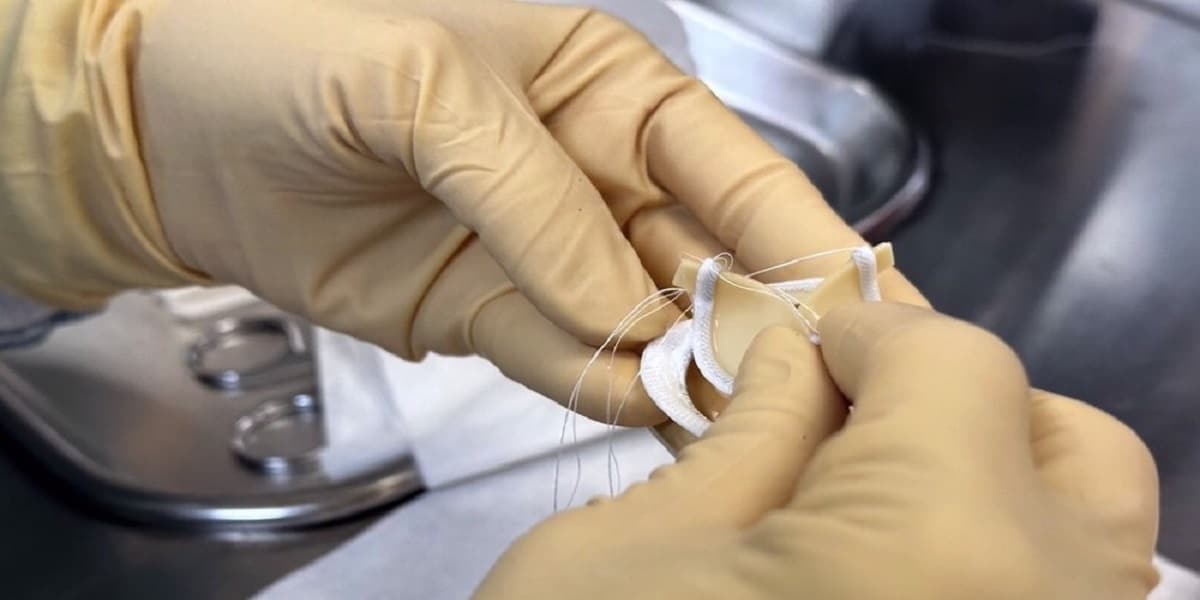
The valves—both aortic and pulmonary—are produced under sterile, internationally certified conditions. By manufacturing locally, Iran has reduced dependence on costly imports. While imported heart valves cost between $6,000 and $12,000, the Iranian-made equivalents are priced at just $200.
“This achievement not only saves lives but also preserves national resources,” said a senior official from the center.
So far, over 1,000 heart valves have been produced, with more than 100 patients receiving transplants annually using the domestically made devices. These high-quality valves meet global standards and have dramatically cut waiting times for patients suffering from heart valve disease—a condition that affects millions worldwide.
Iran’s progress is the result of years of focused investment in biomedical research and innovation. The country’s shift to local production not only strengthens its healthcare system but also boosts economic resilience by curbing foreign currency outflows.
Health experts view this development as a model for self-sufficiency in critical healthcare sectors. The Ministry of Health has pledged continued support, aiming to expand production and increase patient access across the country.
As Iran continues to invest in cutting-edge medical technologies, this milestone underscores its growing influence in the global medical device market and its commitment to providing affordable, effective healthcare solutions for its citizens.