

Kazakhstan has become the first country in Central Asia to meet the World Health Organization’s (WHO) global target of reducing premature mortality from non-communicable diseases (NCDs) by 25% by 2025, according to Kazinform.
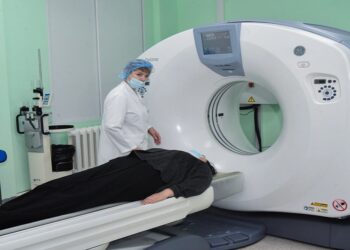
This achievement highlights the country’s major strides in strengthening its healthcare system—particularly in emergency medical services and cardiovascular care. Between 2017 and 2024, Kazakhstan established a nationwide network of 85 stroke centers, a move that has drastically improved survival rates and patient outcomes.
In the first nine months of 2025 alone, over 39,000 patients received treatment in these specialized centers, with in-hospital mortality falling to just 11.3%, one of the lowest rates in recent years.
The implementation of thrombolytic therapy for ischemic stroke reached 6%, while neurosurgical activity stood at 5%, demonstrating a significant advancement in acute stroke management.
“The development of an effective stroke care system has played a key role in reducing mortality and disability rates,” said a representative from the Republic’s Stroke Coordination Center under Kazakhstan’s Ministry of Health.
Kazakhstan is now among only ten nations in the WHO European Region to have achieved this milestone. The success stems from comprehensive preventive measures, modern infrastructure, and strong coordination across medical institutions.
To mark World Stroke Day on October 29, the National Coordination Center for Emergency Medicine in Astana hosted an Open Day event, organized in partnership with the Salidat Kairbekova National Scientific Center for Healthcare Development and supported by WHO.
Kazakhstan’s progress underscores how sustained investment in emergency medical care can yield measurable results in the global fight against non-communicable diseases.