

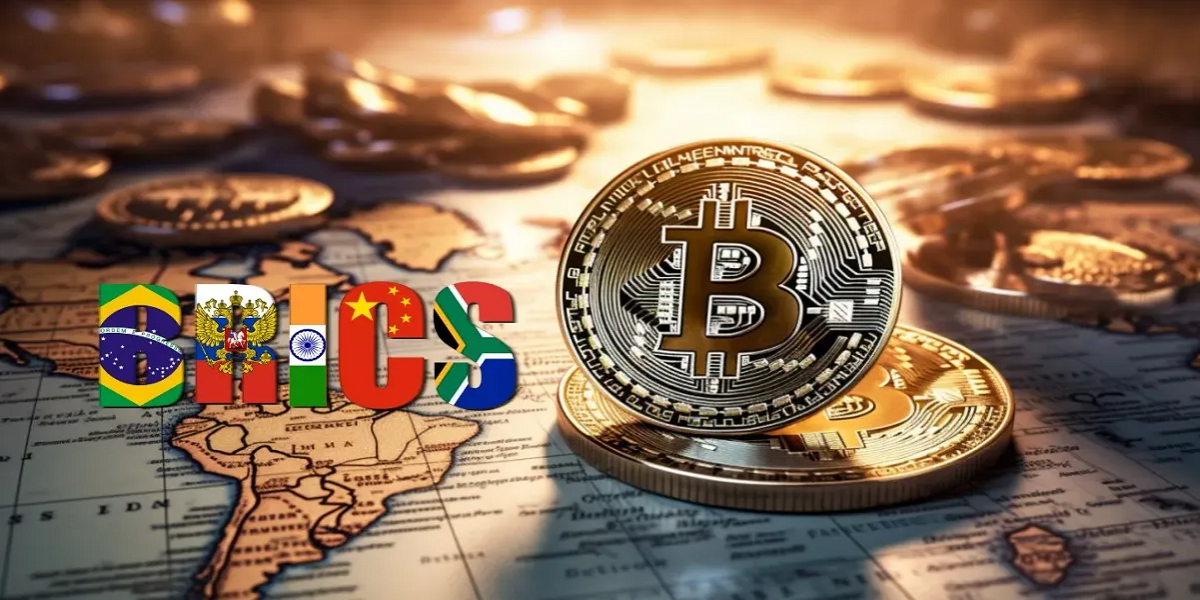
The newly signed Free Trade Agreement (FTA) between the BRICS bloc and Indonesia is drawing attention well beyond traditional trade circles. With an estimated $33 million in tariff savings, the deal is being viewed by analysts as a potential catalyst for broader shifts in global capital flows—particularly in the cryptocurrency market
The agreement, finalized in late 2025, reduces tariffs by an average of 15% on key goods traded between Brazil, Russia, India, China, South Africa, and Indonesia. Economists note that stronger trade integration could boost annual BRICS trade growth by up to 7.5%, significantly above the global average. Such improvements in economic efficiency often influence investor sentiment toward risk assets, including digital currencies.
At the same time, crypto markets remain cautious. Bitcoin is trading near $87,000 amid what indicators describe as “extreme fear” among investors. Despite recent price pullbacks, some analysts argue that enhanced trade ties could eventually improve liquidity and revive appetite for alternative assets.
As one senior market strategist observed, “Trade agreements like this often signal growth, and growth tends to drive speculative investments such as cryptocurrencies”.
Indonesia’s role is particularly noteworthy. With a fast-growing digital economy and increasing experimentation with blockchain solutions in trade finance, the country could accelerate real-world crypto adoption. Cross-border payment networks and smart contract platforms may benefit if businesses seek faster and cheaper settlement mechanisms to support rising trade volumes.
For investors, the BRICS–Indonesia FTA presents both opportunity and risk. While the long-term outlook suggests potential upside driven by economic expansion and blockchain utility, short-term volatility is likely to persist due to regulatory uncertainty and global macroeconomic pressures. Monitoring how trade efficiencies translate into capital movement will be crucial.
Ultimately, the deal underscores a broader trend: geopolitics and trade policy are becoming increasingly relevant to crypto market dynamics, positioning digital assets at the intersection of global growth and financial innovation.