

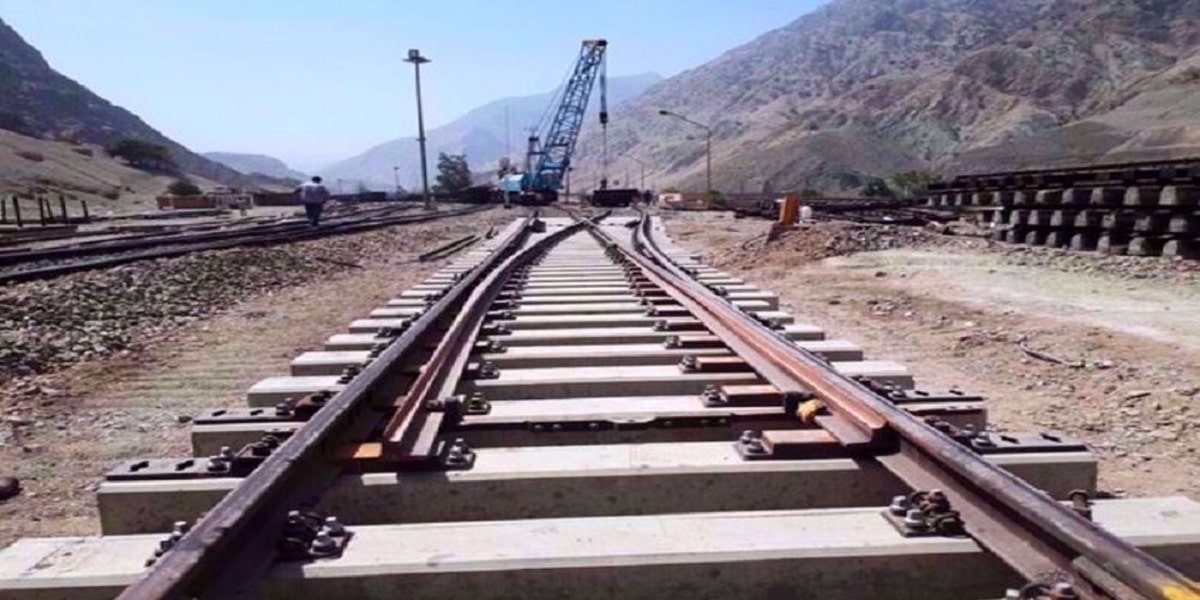
Iran and Russia are poised to sign a long-anticipated agreement next month on the construction of the Rasht–Astara railway, a vital segment of the International North–South Transport Corridor (INSTC).
The announcement came from Iran’s Minister of Roads and Urban Development, Farzaneh Sadeq, who described the deal as a milestone in strengthening regional logistics and trade integration.
The 162-kilometre rail link, connecting northern Iran with Azerbaijan, is expected to play a crucial role in facilitating freight and cargo movement between Russia, Iran, and other Eurasian countries. Once completed, the line will enable faster, more cost-effective transport between the Persian Gulf and northern Europe, significantly enhancing Iran’s position as a key transit hub.
Sadeq emphasized the strategic and symbolic importance of the agreement, stating, “The expansion of highways and railway infrastructure can play an effective role in facilitating Iran’s relations with neighboring countries.” She added that the project underscores Tehran’s commitment to regional cooperation despite ongoing sanctions and economic pressures.
The signing coincides with the implementation of the 20-year Comprehensive Strategic Partnership Treaty between Iran and Russia, originally endorsed by Presidents Masoud Pezeshkian and Vladimir Putin in January 2025. The partnership aims to deepen collaboration in energy, infrastructure, and trade, marking a new phase in bilateral relations.
In recent weeks, Minister Sadeq has engaged in intensive talks in Azerbaijan and Pakistan to expand transport corridors connecting Eurasia, South Asia, and Europe. The Rasht–Astara line will be a cornerstone of that broader network, aligning with Iran’s vision to serve as a bridge between East and West.
With construction expected to begin soon after the signing, the project symbolizes both nations’ determination to build a more connected and resilient Eurasian transport system.