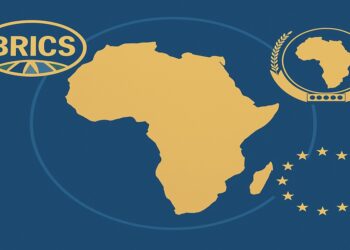


African nations are increasingly embracing BRICS as a platform to amplify their global influence, attract investment, and accelerate digital transformation. According to Maya Nikolskaya, Acting Director of the Centre for African Studies at MGIMO University, participation in BRICS represents more than membership.
“For African nations, participation in BRICS represents a statement of intent, signaling a commitment to active engagement in global affairs,” she told TV BRICS.
South Africa continues to spearhead Africa’s role within the bloc, fostering partnerships with rapidly developing economies across the Global South. This leadership ensures that African priorities are integrated into the wider BRICS agenda.
One of the continent’s strongest assets is its young and expanding labour force. While developed economies face demographic slowdowns, Africa’s population offers unique opportunities. BRICS nations, particularly Russia, see this as a chance to invest in human capital through education, skills training, and job creation. These initiatives not only strengthen Africa’s demographic dividend but also build long-term economic partnerships.
The New Development Bank (NDB), founded by BRICS, has been instrumental in supporting African development. With projects in transport, water supply, and energy, the bank is helping to close critical infrastructure gaps. These investments align with the UN Sustainable Development Goals, advancing inclusive growth and sustainability.
Looking forward, digital transformation has emerged as a key focus area. BRICS countries are investing in digital infrastructure to boost efficiency in healthcare, agriculture, and public services. For example, digital tools in farming can connect rural communities to markets, provide real-time data, and improve resource management, driving both economic and social progress.
The expansion of BRICS and ongoing discussions on welcoming new members underscore the growing influence of the Global South. For Africa, this translates into greater access to international markets, diversified partnerships, and increased investment flows in critical sectors.
By channeling resources into human capital, infrastructure, and digitisation, BRICS offers African nations a powerful pathway to build resilience, prosperity, and a stronger voice in global governance.