
In a landmark move for global tourism, BRICS nations have approved the Cerrado Declaration on Sustainable Tourism Development, signaling a shared commitment to promoting tourism that is inclusive, environmentally conscious, and economically impactful.
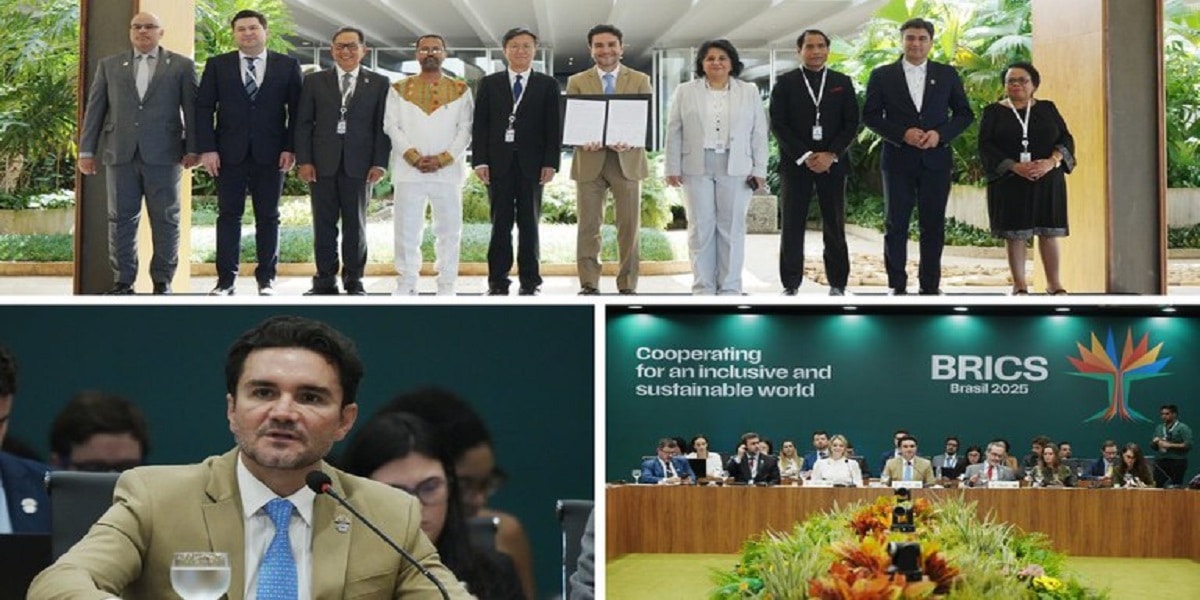
The agreement was reached during the BRICS Tourism Ministers’ Meeting held at the Itamaraty Palace in Brasília and led by Brazil’s Minister of Tourism, Celso Sabino.
Named after the Cerrado, one of Brazil’s most vital and biodiverse biomes, the declaration serves as both a symbolic and practical commitment to sustainability in tourism policy. It outlines a cooperative path forward for the bloc’s 11 member states, including Brazil, Russia, India, China, South Africa, and new members such as Saudi Arabia and Indonesia.
“The Cerrado Declaration is a milestone in the history of global tourism. The countries that are part of BRICS form the largest economy, the largest consumer market, and the largest group of tourists. This document defines how our countries should direct their actions in tourism,” said Minister Sabino.
Key Pillars of the Cerrado Declaration:
-
Regional Tourism Development
-
Emphasizes infrastructure investment, destination diversification, and workforce training.
-
Encourages public-private partnerships and cross-border promotional efforts.
-
Aims to enhance regional air connectivity and integrate marketing campaigns.
-
-
Sustainable and Regenerative Tourism
-
Positions tourism as a tool for achieving the UN Sustainable Development Goals.
-
Focuses on crisis resilience, community engagement, and environmental sustainability.
-
Proposes a shared platform for data exchange and best practices.
-
-
Attracting Digital Nomads
-
Recognizes the growing importance of remote workers as a new tourism demographic.
-
Recommends easing visa policies, expanding internet access, and boosting local infrastructure to attract mobile professionals.
-
Marcelo Freixo, President of Embratur, added, “We reaffirm our commitment to a new development paradigm, in which tourism plays a central role as a vector for inclusion and sustainability.”
Looking ahead, Sabino also announced that COP30, to be hosted in Belém in November, will dedicate a full day to sustainable tourism, emphasizing its role in combating environmental degradation and climate change.
Under Brazil’s 2025 BRICS presidency, the group is reinforcing its motto, “Strengthening Global South Cooperation for More Inclusive and Sustainable Governance,” by positioning tourism as a bridge between economic development and environmental stewardship. The Cerrado Declaration solidifies that vision, aiming to make tourism a driving force for transformation across the Global South.