
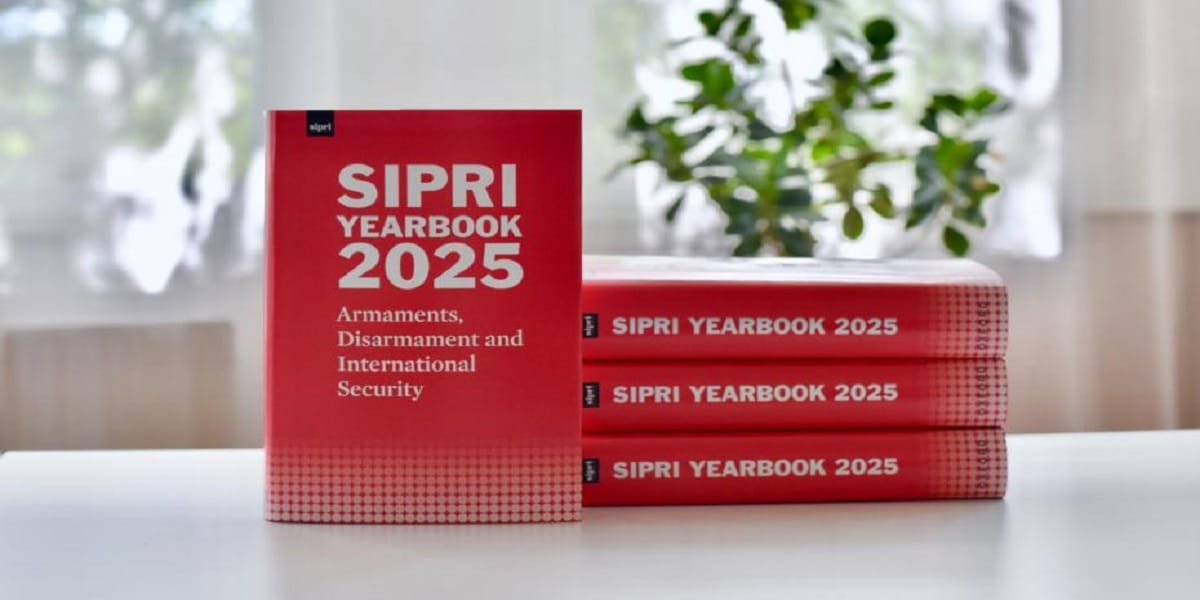
India increased its nuclear stockpile in 2024 and advanced its weapons delivery systems, according to the Stockholm International Peace Research Institute (SIPRI) Yearbook 2025. The report, released Monday, underscores a worrying trend of global nuclear modernization amid weakening arms control agreements and rising geopolitical tensions.
As of January 2025, India holds approximately 180 stored nuclear warheads—an increase from previous years—compared to Pakistan’s estimated 170. This growth aligns with India’s continued efforts to enhance its nuclear triad. Most notably, SIPRI highlighted the commissioning of the INS Arighaat, the country’s second domestically built nuclear-powered submarine capable of launching strategic missiles from underwater.
India’s nuclear doctrine remains one of “no first use,” promising retaliation only in response to a nuclear attack. However, the SIPRI findings indicate a shift toward greater preparedness and expanded deterrence capabilities. This development comes as regional rival Pakistan also pursues new delivery systems and increased fissile material production, signaling its own intent to bolster its arsenal.
SIPRI’s Director, Dan Smith, expressed concern over the current trajectory of nuclear weapons policy worldwide.
“The signs are that a new arms race is gearing up that carries much more risk and uncertainty than the last one,” he warned. Smith emphasized that advances in artificial intelligence, space assets, missile defense, and quantum technologies are reshaping the nature of nuclear deterrence and could destabilize the fragile balance that has existed since the Cold War.
The report notes that Russia and the United States still possess the world’s largest nuclear stockpiles, at 5,459 and 5,177 warheads, respectively. Yet, their bilateral arms control efforts have deteriorated, with the New START treaty—set to expire in 2026—being the last major agreement still in effect and no visible efforts to renew or replace it.
SIPRI researcher Hans M. Kristensen echoed the report’s urgency: “It is critical to remember that nuclear weapons do not guarantee security. They also come with immense risks of escalation and catastrophic miscalculation.”
As global tensions persist and military spending rises, the report underscores the urgent need for renewed dialogue and cooperation on arms control—before technological advances outpace diplomacy.