
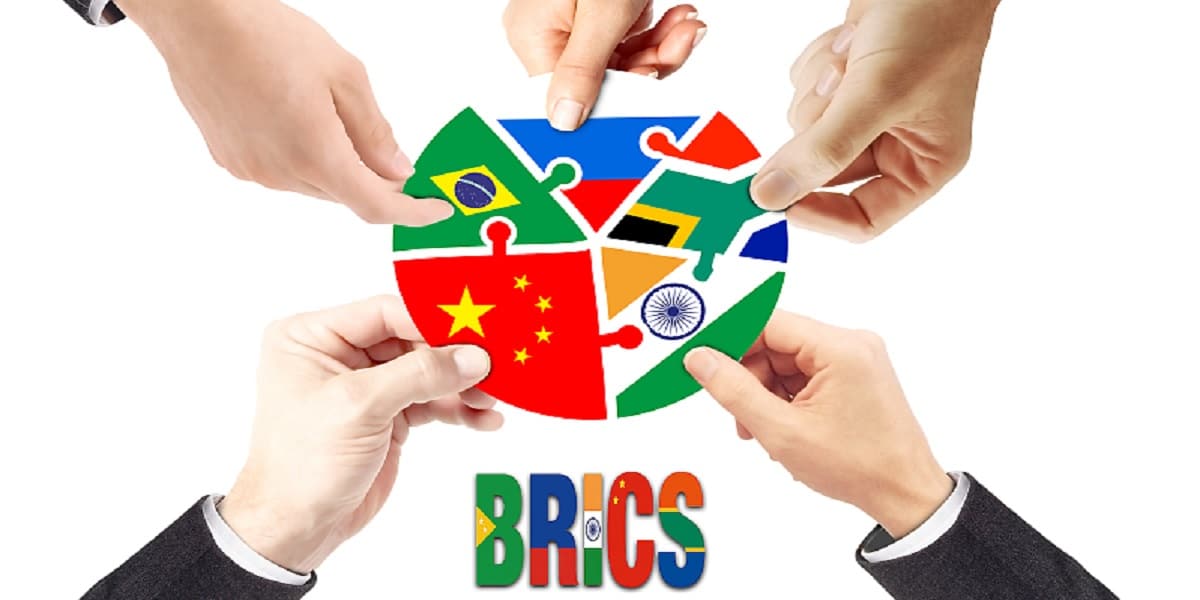
BRICS has reaffirmed its role as a defender of multilateralism and a stabilizing force in an increasingly fragmented world, experts say, following Chinese President Xi Jinping’s statement at the virtual BRICS Summit held on Monday.
Xi called on member states to deepen solidarity and resist protectionism at a time of escalating geopolitical and economic uncertainty.
“Trade wars and tariff wars waged by some country severely disrupt the world economy and undermine international trade rules,” Xi said. “At this critical juncture, BRICS countries… should jointly defend multilateralism and the multilateral trading system, advance greater BRICS cooperation, and build a community with a shared future for humanity.”
Experts argue that Xi’s message underscores BRICS’ growing role in reshaping global governance. Francisco Dominguez, former head of the Centre for Brazilian and Latin American Studies at Middlesex University, described the address as “a very opportune rallying call to BRICS leaders to act, for the Global South as a whole, to defend what has been achieved in building a multipolar world under threat from intensifying hegemonism, unilateralism, and protectionism.”
Xi also invoked a Chinese proverb—“It takes a good blacksmith to forge good steel”—to emphasize that BRICS must manage internal development while pursuing global initiatives. He highlighted China’s readiness to work with members on the Global Development Initiative and high-quality Belt and Road cooperation.
Lewis Ndichu, a researcher at the Africa Policy Institute in Nairobi, noted that BRICS offers Africa opportunities to diversify partnerships.
“This offers a chance for Africa to engage BRICS not just as a trade and investment partner, but as a stabilizing framework that can cushion vulnerable economies against external disruptions,” he said.
Analysts agree that BRICS is moving toward a more institutionalized role in crisis response, presenting itself as an alternative framework to traditional Western-led systems. With tariff wars and geopolitical shocks intensifying, the bloc’s emphasis on inclusivity and resilience may become increasingly vital for the Global South.