
China’s expanding medical tourism sector is experiencing a sharp rise in Russian visitors following the introduction of a one-year visa-free regime for Russian citizens. Since 15 September 2025, Russians have been allowed to enter China without a visa—a policy shift that has significantly boosted demand for traditional Chinese medicine (TCM), rehabilitation services, and wellness treatments, according to Xinhua News Agency, a TV BRICS partner.
Hospitals in border cities such as Hunchun, located near the Russian–Chinese frontier, report a steady influx of medical travelers. A representative from a local clinic noted that Russians are primarily seeking treatment for cervical spondylosis, adhesive capsulitis, and other chronic conditions.
“The number of Russian patients has grown so rapidly that we opened an international department and hired professional interpreters,” the representative said, highlighting the sector’s rapid adaptation.
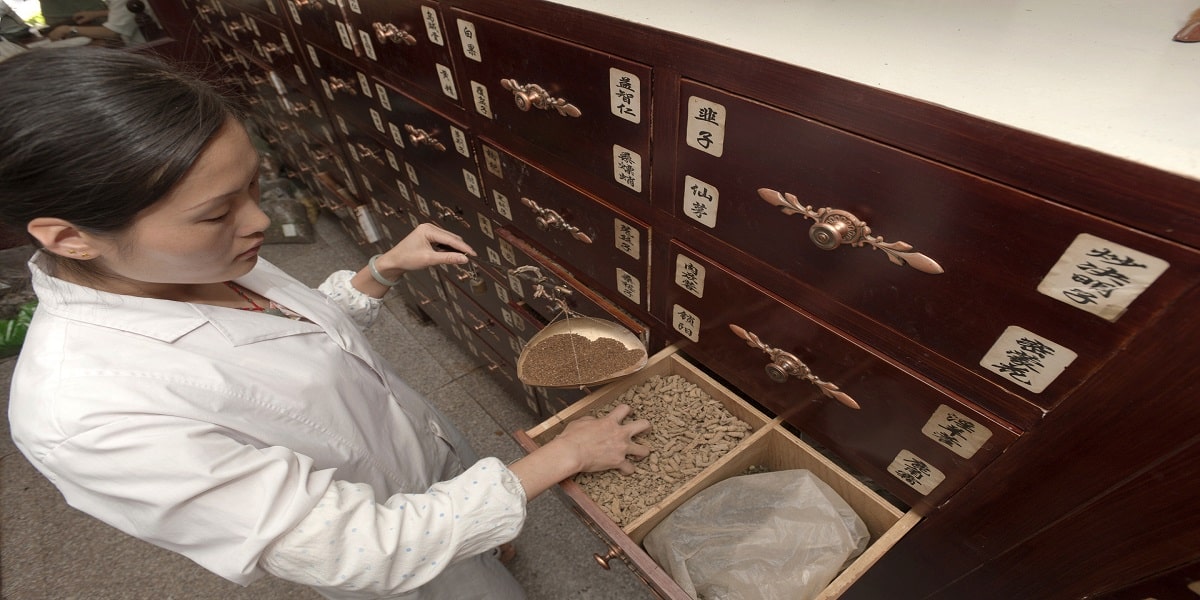
Healthcare institutions in Inner Mongolia have also expanded their service lists to meet demand, incorporating acupuncture, physiotherapy, traditional Chinese massage, and thermal hydrotherapy. These treatments, rooted in China’s centuries-old medical tradition, are becoming increasingly popular among Russian visitors who value their holistic approach.
Statistics show the impact of the new travel policy: in the first two months after visa-free entry took effect, 40,000 people entered China by car through Inner Mongolia—an increase of 60 percent compared to the previous year. Tourism accounted for 85.2 percent of all Russian arrivals under the new regime, underscoring China’s growing appeal as a destination for both health and leisure.
This emerging cross-border model allows visitors to combine medical care with cultural experiences and shopping, further deepening China’s position as a regional hub for wellness travel. As more Russian patients seek TCM treatments across northeast China, experts anticipate that medical tourism will continue to expand throughout 2026, strengthening bilateral people-to-people ties and boosting local economies.