
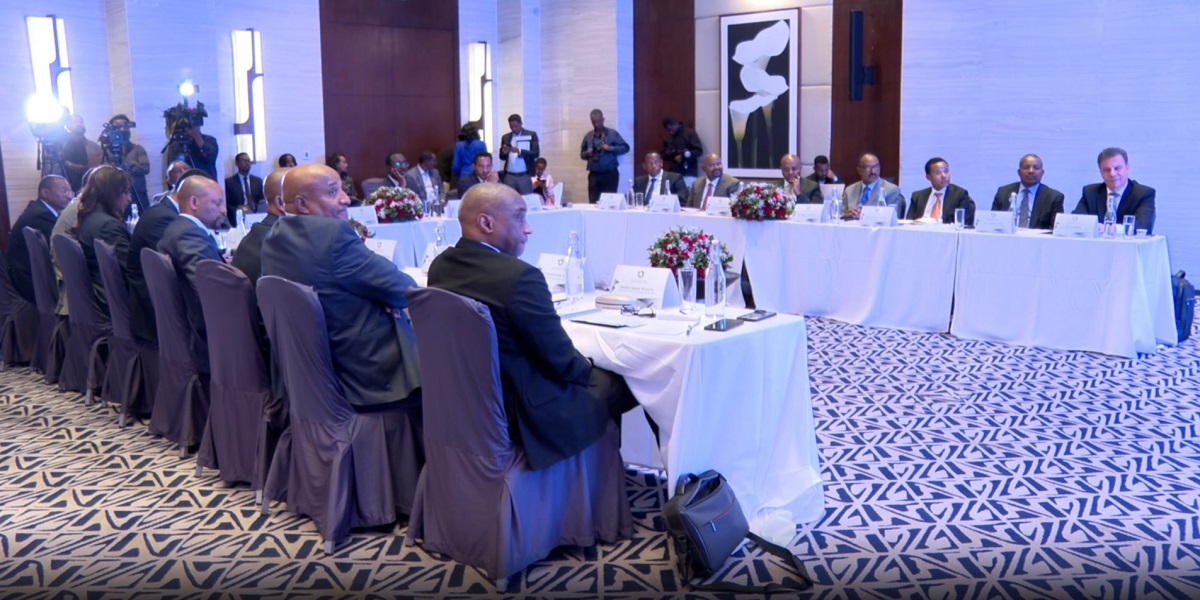
Ethiopia has taken a decisive step toward transforming its long-term energy landscape with the official launch of its national nuclear energy program. Speaking at the ceremony in Addis Ababa, Foreign Affairs Minister Gedion Timothewos emphasized that nuclear power will play a central role in addressing the country’s rapidly growing electricity needs.
According to ENA, Timothewos stated that the project “will be a fundamental pillar for meeting the country’s growing energy demand, both now and in the future.”
The nuclear megaproject is part of Ethiopia’s sweeping US$30 billion development strategy unveiled by Prime Minister Abiy Ahmed. Designed to secure long-term energy independence, the initiative aims to support industrial expansion, reduce energy shortages, and modernize key economic sectors.
To guide this transition, Ethiopia established the Ethiopian Nuclear Energy Commission in October 2025. The body will oversee the development and safe application of nuclear technologies not only in electricity generation but also in health, agriculture, and industrial innovation.
International cooperation is already shaping the project’s trajectory. Russia and Ethiopia recently signed an action plan for the construction of a nuclear power plant on Ethiopian soil. The agreement, signed by Rosatom Director General Aleksei Likhachov and Minister Timothewos, followed high-level talks between Russian President Vladimir Putin and Prime Minister Abiy Ahmed.
Ethiopia’s move aligns with broader BRICS trends. Across the bloc, nuclear energy is gaining momentum as a tool for sustainable development. Iran has announced plans to build eight nuclear reactors, reporting nearly 500 scientific and technological advances between 2022 and 2024.
Egypt continues to advance construction of the El-Dabaa Nuclear Power Plant, while Indonesia is preparing to create over 6,800 green jobs through planned nuclear facilities. Brazil, meanwhile, is exploring deeper cooperation with Russian nuclear experts as it seeks to leverage its vast uranium reserves.
Together, these developments highlight the growing role of nuclear energy in supporting long-term economic resilience and green transition across the BRICS community.