
On Sunday, China unveiled its “No. 1 Central Document” for 2025, detailing its priorities for deepening rural reforms and advancing comprehensive rural revitalization. The document, considered a key policy statement from the central government, focuses on six key areas: securing a stable supply of essential agricultural products, consolidating achievements in poverty alleviation, developing local industries, improving rural infrastructure, enhancing rural governance, and optimizing resource allocation in rural areas.
This marks the 13th consecutive year since 2012 that the central government has prioritized agricultural and rural development, reflecting the leadership’s commitment to modernizing agriculture and revitalizing rural areas.
The document sets ambitious goals to safeguard grain security, prevent poverty relapse, and improve agricultural efficiency, ultimately laying a solid foundation for China’s broader modernization goals. It emphasizes the need to advance rural revitalization through reform, technological innovation, and opening up new markets.
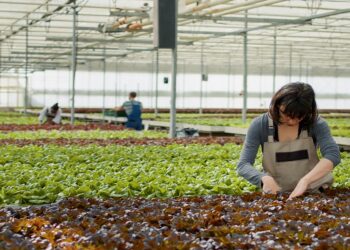
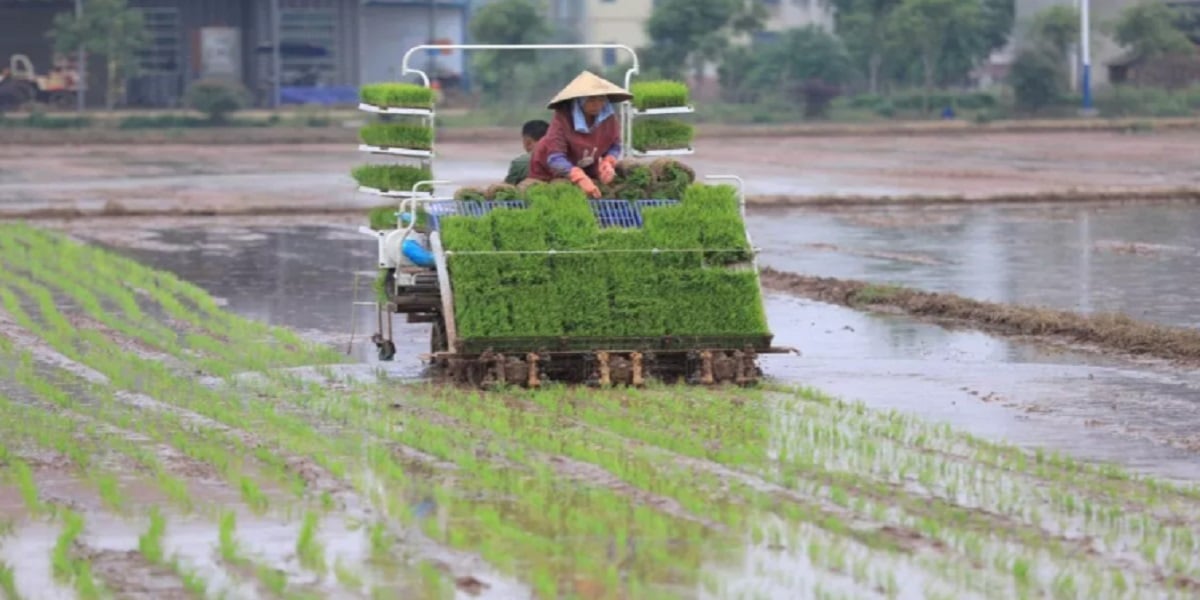
A key component of this strategy is the development of “new quality productive forces” in agriculture, which includes the adoption of advanced technologies like biological breeding, drones, artificial intelligence (AI), and digital systems. These innovations are expected to enhance agricultural productivity and modernize the sector.
Additionally, the document highlights the importance of integrating new technologies in agriculture, such as AI, big data, and low-altitude systems, to drive the transformation of rural industries. It also supports the development of smart agriculture and the expansion of cold-chain logistics to improve the efficiency of rural retail systems.
Furthermore, the document outlines plans to optimize the use of rural resources and assets, including exploring new financial mechanisms to support rural revitalization projects, such as government investments and bonds.
In terms of agricultural reforms, the document calls for strengthening collective forest tenure systems, improving water management, and promoting water-saving irrigation techniques. It also encourages cities to gradually include agricultural migrant workers in local housing policies to support their integration into urban areas.
Finally, the document advocates for the application of successful rural revitalization models, such as the “Thousand Villages Demonstration and Ten Thousand Villages Renovation” initiative in Zhejiang Province, which has transformed the region’s rural landscape.
Through these measures, China aims to enhance the livelihoods of its rural population, support agricultural development, and ensure long-term stability for rural communities.