
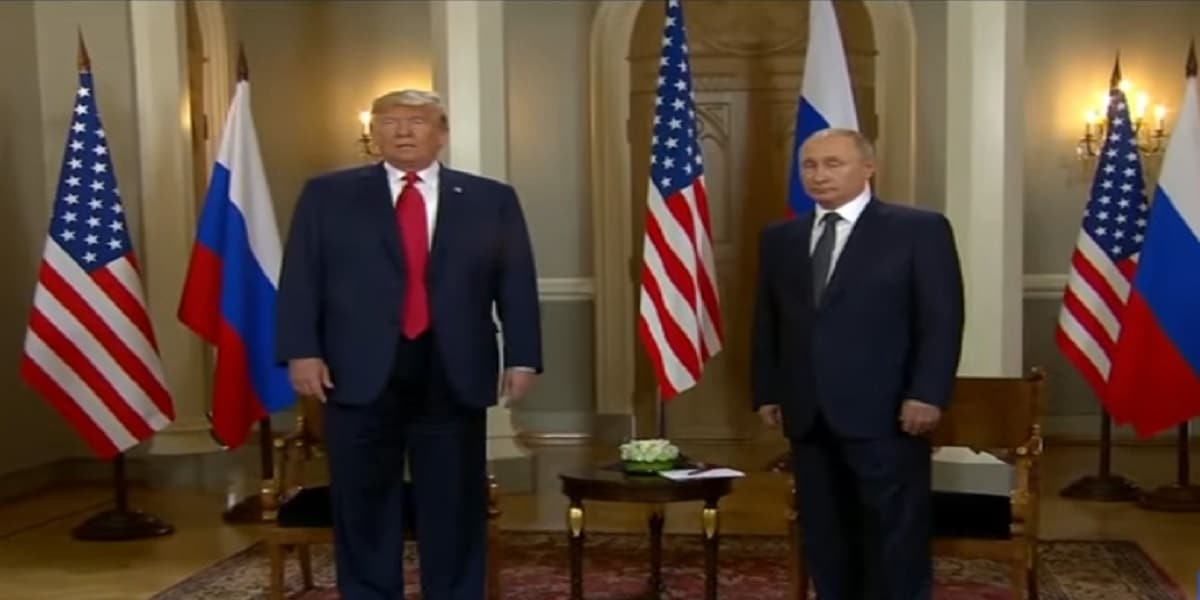
Russian President Vladimir Putin agreed to a temporary halt on attacks targeting Ukraine’s energy and infrastructure following a phone call with US President Donald Trump on Tuesday.
This conversation, the second between the two leaders since Trump’s return to office, marked a step toward potentially easing the ongoing conflict in Ukraine. The White House and Kremlin both confirmed the agreement, though it stopped short of a broader ceasefire to end the three-year war.
The phone call focused primarily on the idea of a 30-day pause in attacks on energy infrastructure, a proposal put forward by Trump.
According to the Kremlin’s statement, Putin responded positively to Trump’s initiative and immediately ordered Russian military forces to comply. This move is seen as a significant development, but Russia has not agreed to a full ceasefire, as Ukraine continues to demand.
The White House outlined that the ceasefire would be limited to energy and infrastructure targets, with additional technical negotiations on maritime security and broader peace efforts beginning shortly.
Trump described the conversation as “good and productive,” confirming that both leaders agreed to work “quickly” toward a comprehensive ceasefire. He also expressed hope that the peace process was now “in full force and effect,” emphasizing the importance of ending the conflict for the sake of humanity.
The two leaders discussed various issues, including the ongoing humanitarian toll, with Trump stating that both Putin and Ukrainian President Zelenskyy were eager to bring an end to the hostilities.
While the call showed some positive momentum, Putin insisted on certain preconditions for a more comprehensive peace agreement, including halting foreign military aid to Ukraine. Furthermore, there was no mention in official statements about land concessions or other contentious issues, such as military intelligence sharing.
The tentative agreement comes after a series of meetings and discussions, including those in Saudi Arabia and Istanbul, aimed at resolving the crisis. The world remains focused on the possibility of a broader ceasefire as the leaders continue their diplomatic efforts.