

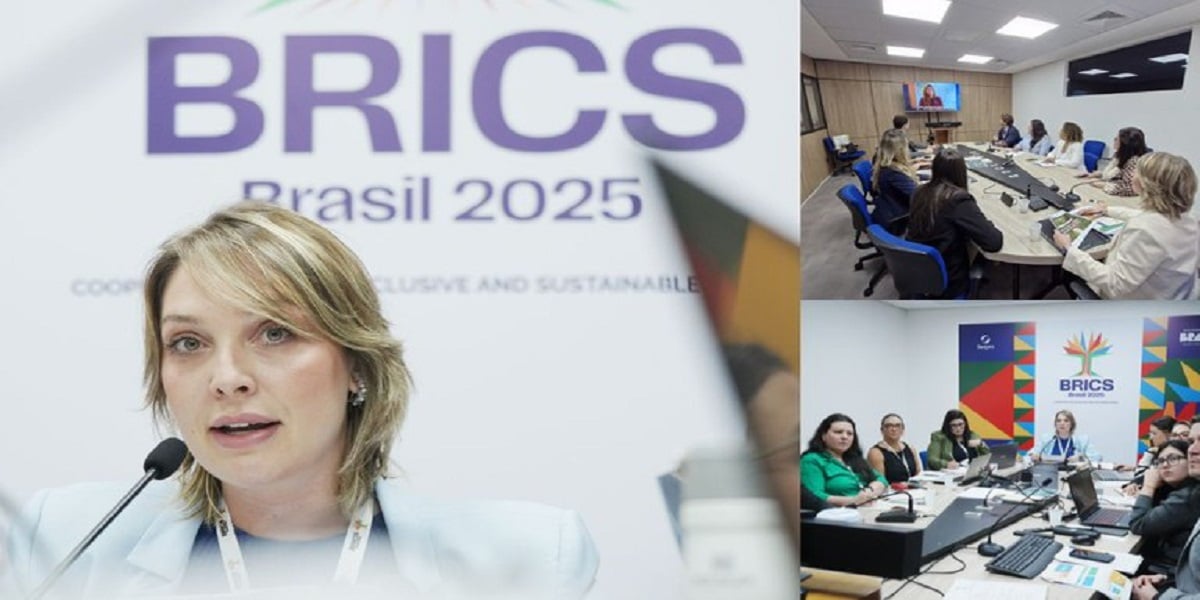
The BRICS Tourism Working Group recently held its first online meeting under Brazil’s leadership, where representatives from the bloc’s 11 member countries discussed several key strategies for the tourism sector’s growth, as reported on the the website of the Brazilian Ministry of Tourism.
Among the critical topics were the promotion of digital nomads—remote workers traveling globally—and the overall sustainability of tourism across the region. The virtual meeting aimed to strengthen regional cooperation, improve infrastructure, and enhance the services that attract tourists and digital nomads alike.
Ana Carla Machado Lopes, Executive Secretary of the Brazilian Ministry of Tourism, emphasized that the tourism sector could be a powerful tool for international cooperation. She highlighted the potential of tourism to contribute positively to social, economic, and environmental progress within the BRICS countries.
The group also discussed increasing the sector’s resilience, especially in the wake of challenges like the pandemic, by focusing on public-private partnerships and sustainable tourism practices.
A key point of the discussions was the need to develop policies that attract digital nomads. These workers, who rely on the internet to work remotely while traveling, are an emerging demographic in global tourism. To support this, the working group is collecting data on the experiences of member countries in fostering digital nomadism, aiming to create shared best practices and learn from each other’s approaches.
Brazil’s Ministry of Tourism presented a report on the state of regional tourism within the BRICS bloc, covering countries such as Brazil, Russia, India, China, South Africa, and new members like Saudi Arabia, Egypt, and Indonesia. The report suggested practical solutions to enhance tourism, including infrastructure improvements, professional development, and targeted financing.
The next BRICS Tourism Working Group meeting will take place in Brasília in May 2025, culminating in a ministerial summit where members will finalize their strategies in a joint declaration. As the BRICS presidency for 2025, Brazil continues to push for more inclusive and sustainable governance, further reinforcing the group’s commitment to boosting tourism and global cooperation.