

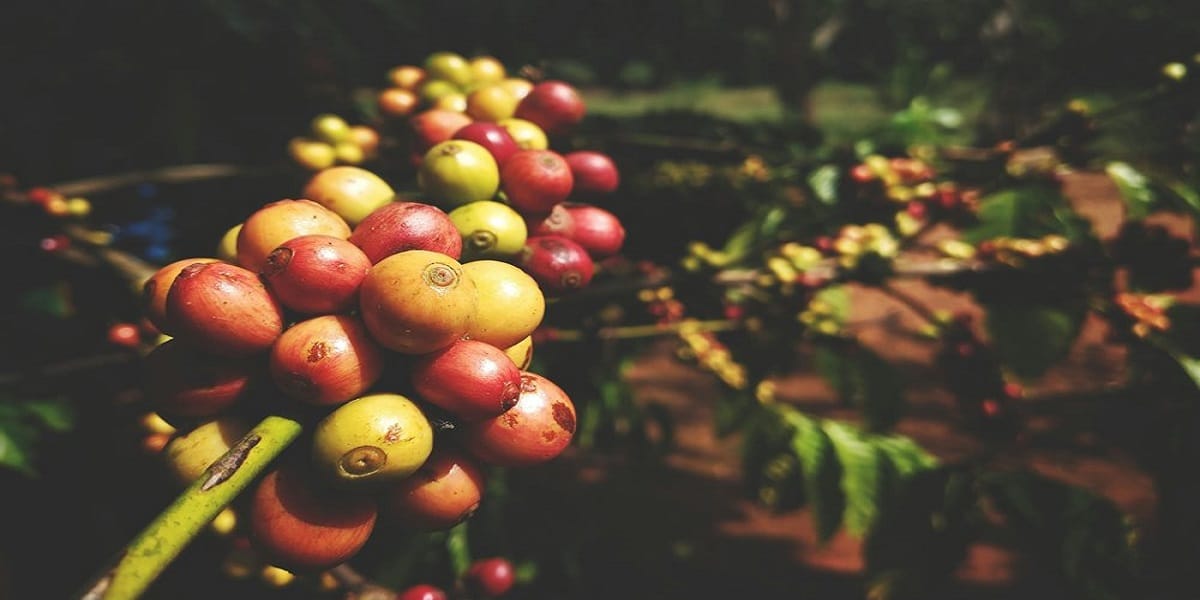
India’s coffee export industry is thriving, showing a remarkable 40% year-on-year growth, as reported by the Ministry of Commerce. This growth has brought the total value of coffee exports to $1.28 billion for the period between April and November 2024, up from $1.10 billion during the same months last year.
Indian coffee is in high demand across major global markets such as Russia, the UAE, and Europe, as the country solidifies its position as the world’s seventh-largest coffee producer and fifth-largest exporter.
Indian coffee is grown in the ecologically diverse regions of the Western and Eastern Ghats, with Karnataka leading production, followed by Kerala and Tamil Nadu. These regions are not only ideal for coffee cultivation but also help maintain the ecological balance through their shady plantations. Robusta, which accounts for 72% of the country’s total coffee production, is the star variety in India’s coffee exports.
The rise in exports is largely driven by the global increase in coffee consumption, with robusta coffee prices surging by over 60% in 2024. Prices hit a 45-year high, partially due to droughts in Brazil and Vietnam, two of the world’s largest coffee producers. This surge in prices has drawn European markets, particularly as they prepare for the upcoming implementation of the European Union Deforestation Regulation (EUDR).
While coffee exports are booming, India’s domestic coffee consumption is also on the rise. From 84,000 tonnes in 2012 to 91,000 tonnes in 2023, coffee drinking is becoming increasingly popular, fueled by growing disposable incomes and the rise of coffee shops.
However, despite the promising export figures, experts predict a 10% decline in coffee exports in 2025 due to reduced production and unfavorable weather conditions.
As India continues to strengthen its position in the global coffee market, both export and domestic trends indicate a thriving coffee culture, though challenges in production may impact future growth.