
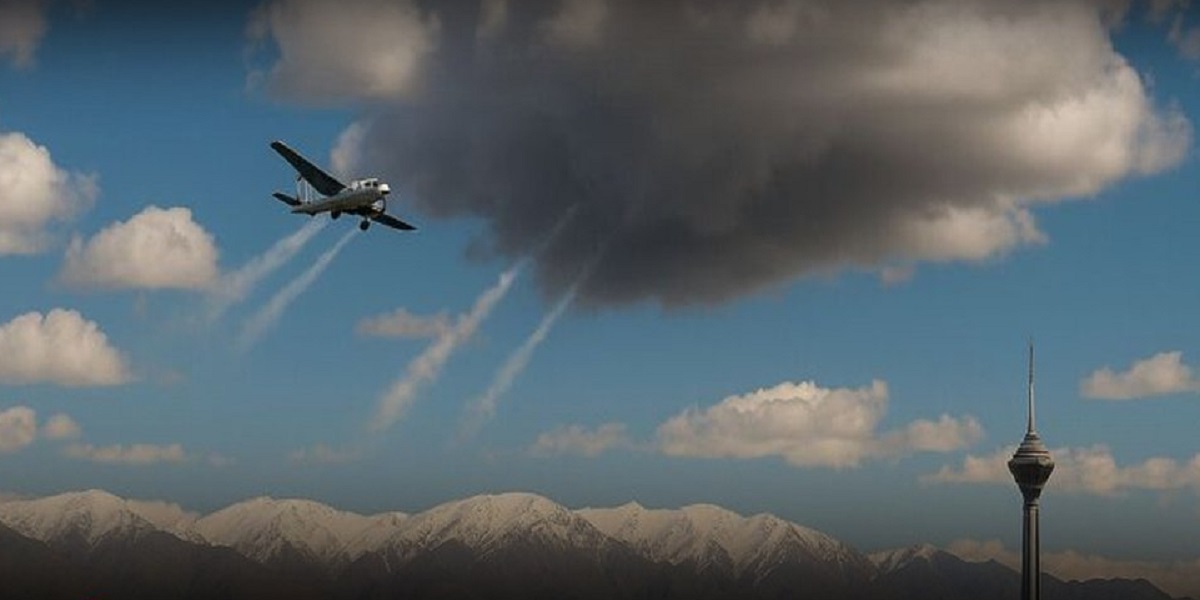
Iran has launched the manufacturing phase of specialized drones designed for cloud seeding, marking a significant technological breakthrough in the global fight against drought. According to Alalam News, the project represents a pioneering effort within Iran’s broader strategy to mitigate water scarcity, a challenge that continues to impact agriculture, food security, and daily life across the country.
The Head of the Organisation for the Development and Exploitation of New Aerial Water Technologies emphasized the global novelty of the initiative, stating that “using drones for cloud seeding is a new subject worldwide, and Iran is now building dedicated aircraft for this purpose.”
Early assessments from Iranian officials suggest the technology could increase rainfall by 15% to 20%, offering a promising solution amid worsening climatic strain.
The cloud-seeding drone project aligns with Iran’s long-term commitment to adopting advanced water-management technologies that support agricultural resilience. By integrating modern aerial systems into resource management, the Iranian government aims to secure water supplies for both agricultural and humanitarian needs.
The initiative also mirrors broader efforts within BRICS and partner countries, where several nations are pursuing innovative technological responses to drought. In Brazil, authorities are expanding advanced irrigation systems and collaborating with China on a new AI-driven laboratory focused on supporting small-scale farming in semi-arid regions.
India is enhancing irrigation efficiency through artificial intelligence tools designed for agricultural water management, according to IANS.
Thailand, a key BRICS partner, continues to expand its renowned Royal Rainmaking Project. As reported by the Vietnam News Agency, more than 2,000 weather-modification flights were conducted between February and August 2025, successfully generating rainfall in over 95% of operations.
With climate challenges intensifying globally, Iran’s drone-based cloud-seeding initiative positions the country among the innovators shaping the next generation of water-security solutions.