“India has registered a 90 per cent increase in electricity capacity over the past decade, reaching 475 GW in 2025, and is targeting 900 GW by 2032,” said Minister Khattar.
He emphasized that energy security remains one of the most pressing global challenges and called for deeper cooperation among BRICS nations to ensure economic stability, sustainability, and fair access to energy.
Khattar highlighted India’s growing role as a global clean energy leader, noting that the country is now the third-largest producer of solar and wind energy. He also pointed to key milestones such as achieving a 20 percent ethanol blending rate, the launch of a domestic carbon credit market, and major investments in smart grids, advanced metering infrastructure, and green energy corridors.
India urged developed nations to increase concessional and low-cost financing to help developing countries make the transition to low-carbon energy systems.
The minister reaffirmed support for international collaboration, especially through initiatives like the Global Biofuels Alliance and national policies promoting sustainable buildings and energy-efficient appliances.
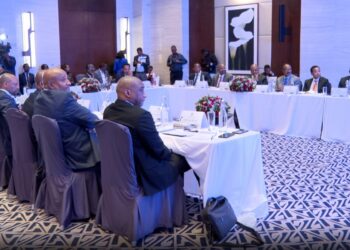
The BRICS energy ministers collectively affirmed each country’s right to define its own energy transition path. They also endorsed fair and open international energy markets and encouraged the use of local currencies in energy trade. The role of the New Development Bank in financing sustainable infrastructure was underscored as vital.
With India preparing to chair BRICS in 2026, it aims to lead efforts in building a more inclusive and cooperative clean energy future.