

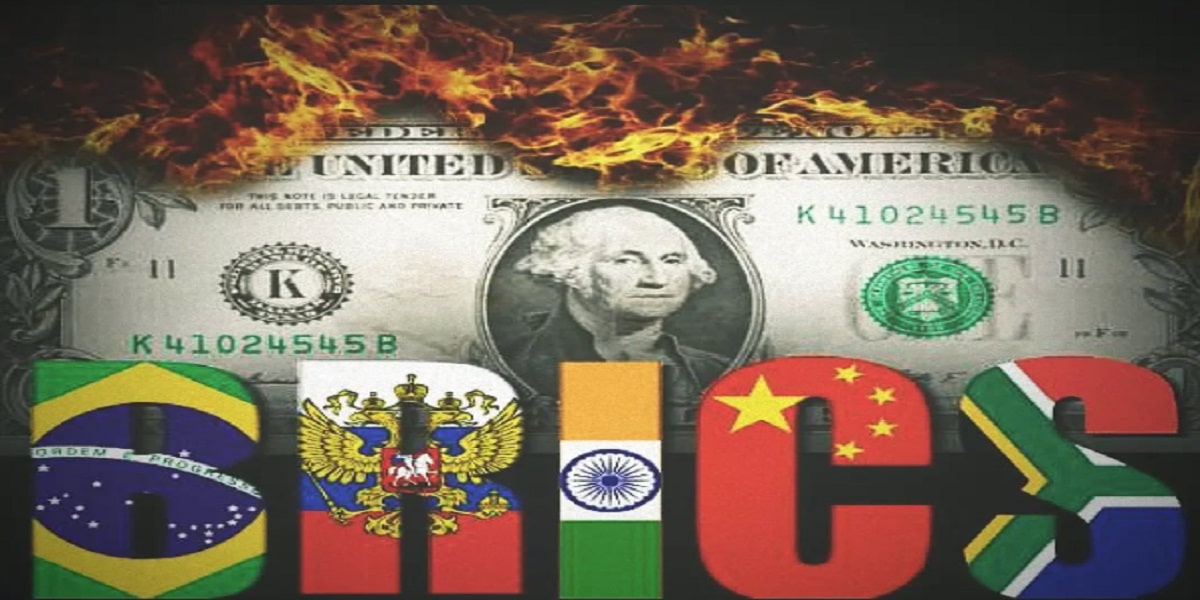
The BRICS countries (Brazil, Russia, India, China, and South Africa) are divided over reducing dependence on the US dollar in international trade. While China, Russia, and Brazil support alternatives to the dollar, India has firmly rejected such efforts.
Indian Foreign Minister Subrahmanyam Jaishankar emphasized that India has no interest in undermining the dollar’s global dominance.
Tensions have increased as the United States, under the Trump administration, warned of sanctions against BRICS countries seeking to replace the dollar, threatening 100% tariffs and trade restrictions.
China has long advocated for alternatives, promoting the yuan through currency swap agreements and its use in international trade. Russia, facing Western sanctions due to its invasion of Ukraine, has also backed this initiative, proposing a payment platform based on BRICS member currencies.
Brazil and South Africa are exploring ways to reduce dollar dependency but without directly challenging its influence.
At the October BRICS Summit, Chinese President Xi Jinping called for urgent reform of the global financial system, but India’s opposition has made progress difficult. Brazil, led by President Luiz Inácio Lula da Silva, has focused on developing complementary payment systems within BRICS countries to reduce trade costs and vulnerabilities.
The New Development Bank (NDB), founded by the BRICS in 2014, plays a key role in these efforts, with over $33 billion in financing for projects in the Global South, aiming to offer an alternative to traditional global financial institutions.