
The 2025 BRICS+ Counter-Terrorism Conference opened in Moscow on Wednesday, marking a major step in strengthening multilateral security cooperation across the rapidly expanding bloc. Hosted by the Russian Foreign Ministry, the forum brings together officials, academics, civil society representatives, and experts from major international organizations to address emerging security threats.
Held under the theme “National and Regional Counter-Terrorism Strategies Amid Emerging Security Challenges and Threats,” the conference focuses on issues that have become increasingly urgent for BRICS+ members. Key discussions revolve around terrorist financing, cyber-enabled extremism, the illicit use of digital technologies, and strategies to counter radicalization.
Delegations also include representatives from the United Nations, the Shanghai Cooperation Organization (SCO), the Commonwealth of Independent States (CIS), and the Collective Security Treaty Organization (CSTO)—highlighting a growing trend toward security coordination beyond traditional Western-led structures.
According to conference organizers, the goal is to deepen shared understanding and create more effective joint responses. One senior Russian official emphasized the importance of collaboration, noting:
“Our strength lies in collective action. No country can confront modern terrorism alone.”
Throughout the event, delegates will exchange threat assessments, share best practices, and identify mechanisms to reinforce operational cooperation. The initiative complements the ongoing work of the BRICS Counter-Terrorism Working Group, building on existing strategies and action plans adopted by member states.
By expanding participation to include BRICS+ partners and major regional organizations, Moscow aims to strengthen a coordinated approach to evolving global threats—particularly in an era where extremist networks operate across borders and increasingly exploit digital environments.
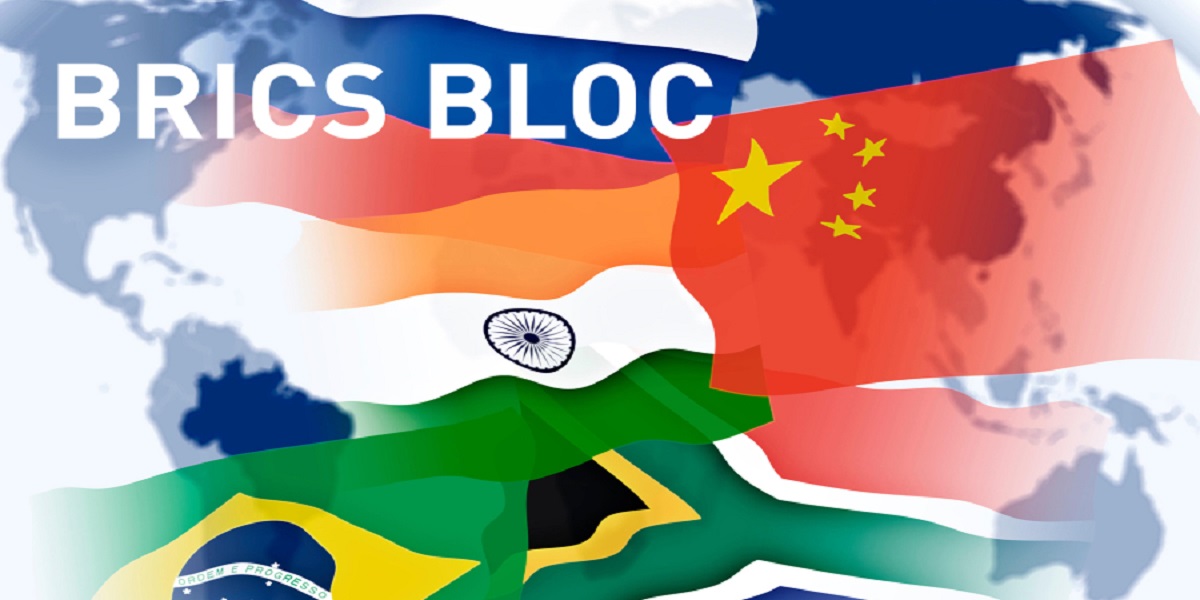
As BRICS+ continues to expand its geopolitical influence, the Moscow conference underscores the bloc’s growing ambition to shape global security norms and develop alternative multilateral frameworks capable of addressing 21st-century security challenges.