
The expansion of BRICS and its bold push for dedollarization have sent shockwaves through Washington—none more visible than from Donald Trump. The former U.S. president and 2024 candidate is lashing out at Brazil and its left-wing leader, Luiz Inácio Lula da Silva, as BRICS positions itself as a challenger to U.S. global financial hegemony.
“BRICS was set up to degenerate our dollar,” Trump fumed during a fiery cabinet meeting on July 8. “If we lost the world standard dollar, that would be like losing a war, a major world war; we would not be the same country any longer.”
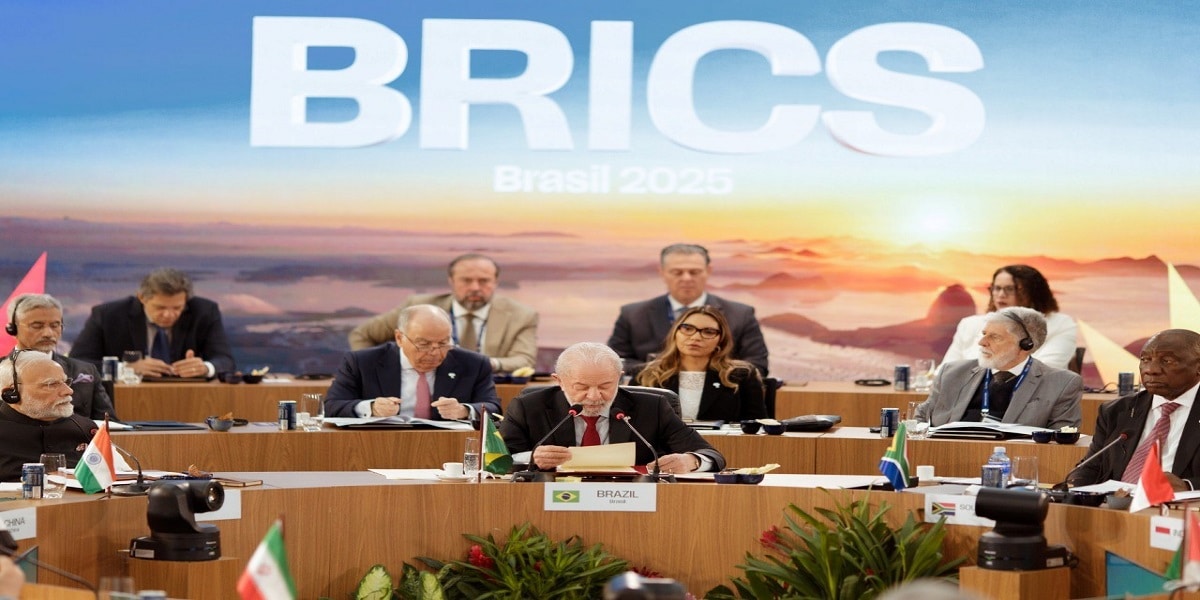
This sharp rhetoric follows the highly successful BRICS summit in Rio de Janeiro, which brought together 10 member states and 10 partners, signaling the bloc’s growing influence. Brazil, a founding member, is emerging as a key architect of this new multipolar order—an initiative that has infuriated Trump and his allies.
“You can tell the president is pissed every time he looks at the BRICS de-dollarization effort,” Steve Bannon, Trump’s former chief strategist, told Politico. “The summit in Rio didn’t help.”
Trump’s response has been swift and aggressive: threatening 10% tariffs on all BRICS members and singling out Brazil for punitive 50% tariffs. Insiders say these measures are designed to punish Lula for embracing dedollarization and forming closer ties with China.
According to former State Department official Leland Lazarus, Trump is attempting “to try to peel off new members like Egypt, Ethiopia, and Indonesia.”
The U.S. offensive is not just economic but political. Trump’s moves aim to undermine Lula domestically ahead of Brazil’s 2026 elections, boosting far-right ally Jair Bolsonaro. Lula responded sharply: “Brazil is a sovereign nation with independent institutions and will not accept any form of tutelage.”
Lula’s government is already preparing retaliatory tariffs, asserting that Brazil can survive without the U.S. “Brazil’s trade with the US represents 1.7% of its GDP,” he noted. “It’s not like we can’t survive without the US.”
As the U.S. doubles down on its economic nationalism, Lula remains committed to BRICS and multipolarity. “We are interested in creating a trade currency among other countries,” he affirmed, rejecting Washington’s attempts at coercion.
The escalating standoff marks a pivotal moment in global geopolitics—where the struggle for monetary supremacy collides with an increasingly multipolar world.