

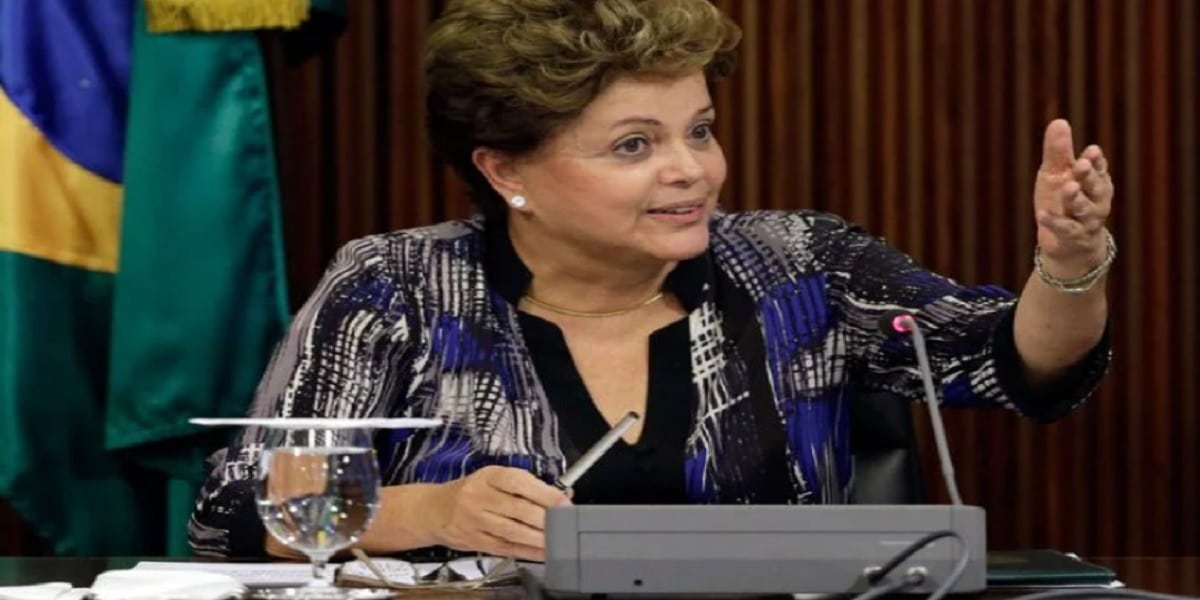
The former President of Brazil Dilma Rousseff has been re-elected as the head of the BRICS New Development Bank (NDB), a decision that was met with unanimous approval from the bank’s board. Rousseff confirmed the news, stating, “I was re-elected. They nominated me and the board unanimously approved this decision,” as reported by O Globo newspaper.
This reappointment underscores her strong leadership at the NDB, a financial institution that plays a crucial role in supporting infrastructure and sustainable development projects within BRICS nations and beyond.
Rousseff’s re-election was proposed by Russia during the BRICS summit in Kazan, with Moscow advocating for Brazil to retain the presidency of the NDB. This proposal was fully endorsed, reflecting the growing confidence in her leadership and the strategic direction she is steering the bank toward.
Rousseff initially took over as president of the NDB in March 2023, succeeding Marcos Troyjo, and her tenure has focused on strengthening financial cooperation among the BRICS countries—Brazil, Russia, India, China, and South Africa.
Under her leadership, the NDB has also expanded partnerships with other developing economies and worked towards reducing dependency on the U.S. dollar in international transactions. Promoting sustainable development financing and supporting large-scale infrastructure projects have been key priorities during her time at the bank.
Moreover, the BRICS bank is positioning itself as an alternative to Western-dominated financial institutions like the IMF and the World Bank.
Looking ahead, Rousseff is expected to continue pushing for greater financial autonomy for BRICS nations, advancing efforts toward de-dollarization, and enhancing economic resilience in a rapidly evolving global landscape.
As per her statement, BRICS members “would strive to continue participating in mutually beneficial investment projects, rather than creating a single community currency”, stressing that “they will pay great attention to investments and investment platforms.”
The unanimous decision to extend her mandate highlights the BRICS bloc’s commitment to continuity in leadership as it navigates complex global challenges.