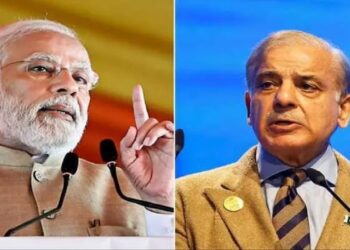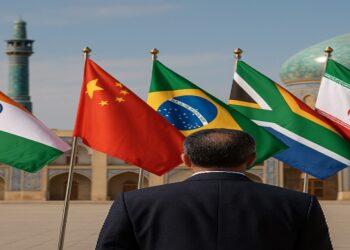


At the 2025 BRICS summit in Rio de Janeiro, Indian Prime Minister Narendra Modi made his country’s position crystal clear: terrorism, global governance, and the interests of the Global South must be addressed without bias or selective outrage.
In a year marked by geopolitical tensions and shifting alliances, India’s strong diplomatic presence at BRICS was both a declaration of intent and a balancing act.
Modi’s words were sharp and deliberate. “We cannot weigh the victims of terrorism and its supporters on the same scale,” he said, condemning what he described as “double standards” in global counterterrorism responses. In an apparent reference to recent global developments involving Pakistan and China, Modi added, “Condemning terrorism must be a principle, not a convenience.”
For New Delhi, the inclusion of a strong statement in the BRICS declaration condemning the April 22 terrorist attack in Pahalgam, Jammu and Kashmir — without naming Pakistan — was a diplomatic victory.
“We urge to ensure zero tolerance for terrorism and reject double standards in countering terrorism,” the declaration stated, underlining the bloc’s unified stance while allowing for interpretive flexibility.
The summit also served as a platform for India to reaffirm its commitment to the Global South. Modi criticized the existing world order, saying, “The Global South has been handed nothing more than token gestures on climate finance, sustainable development and technology access.”
With India assuming the BRICS chair for 2026, this stance is likely to shape the bloc’s agenda in the coming year.
Behind the scenes, India continues to resist Chinese dominance within BRICS, promoting multipolarity rather than a shift from U.S. to Chinese hegemony. While BRICS nations share common concerns about Western-led institutions, they differ in strategic ambitions. India’s opposition to a common BRICS currency — favored by China and Russia — and its push for local currency trade align with its broader strategy of maintaining strategic autonomy.
The summit’s theme, “Strengthening Global South Cooperation for Inclusive and Sustainable Governance,” echoed throughout Rio, but Modi’s participation signaled more than cooperation. It marked a recalibrated Indian diplomacy — one that champions reform without choosing sides, and leads the Global South without alienating the West.