
5
Ad 728x90
  • Home
  • Politics
    • Foreign Policy
    • Governance & Policy
    • Geopolitical Strategy
    • Security & Defense
    • Human Rights
    • Elections
  • Economy
    • Banking News
    • BRICS Healthcare News
    • BRICS Energy News
    • Transport News
    • Agriculture News
    • Tourism News
  • World News
  • BRICS Cooperation
  • BRICS Explained
    • Members
    • Candidates
    • Summits
  • Home
  • Politics
    • Foreign Policy
    • Governance & Policy
    • Geopolitical Strategy
    • Security & Defense
    • Human Rights
    • Elections
  • Economy
    • Banking News
    • BRICS Healthcare News
    • BRICS Energy News
    • Transport News
    • Agriculture News
    • Tourism News
  • World News
  • BRICS Cooperation
  • BRICS Explained
    • Members
    • Candidates
    • Summits
  • Home
  • Politics
    • Elections
    • Foreign Policy
    • Geopolitical Strategy
    • Governance & Policy
    • Human Rights
    • Security & Defense
  • Economy
    • Agriculture News
    • Banking News
    • BRICS Energy News
    • BRICS Healthcare News
    • Tourism News
    • Transport News
    • World News
  • BRICS Cooperation
  • BRICS Explained
    • Candidates
    • Members
    • Summits
  • Home
  • Politics
    • Elections
    • Foreign Policy
    • Geopolitical Strategy
    • Governance & Policy
    • Human Rights
    • Security & Defense
  • Economy
    • Agriculture News
    • Banking News
    • BRICS Energy News
    • BRICS Healthcare News
    • Tourism News
    • Transport News
    • World News
  • BRICS Cooperation
  • BRICS Explained
    • Candidates
    • Members
    • Summits
Home Politics Geopolitical Strategy

Why Iran Matters: BRICS, Regime Change, and the New Middle East Fault Line

Iran is one of the few countries that actively defies the West’s dictates and survives despite harsh sanctions

Iran war
Share on FacebookShare on Twitter

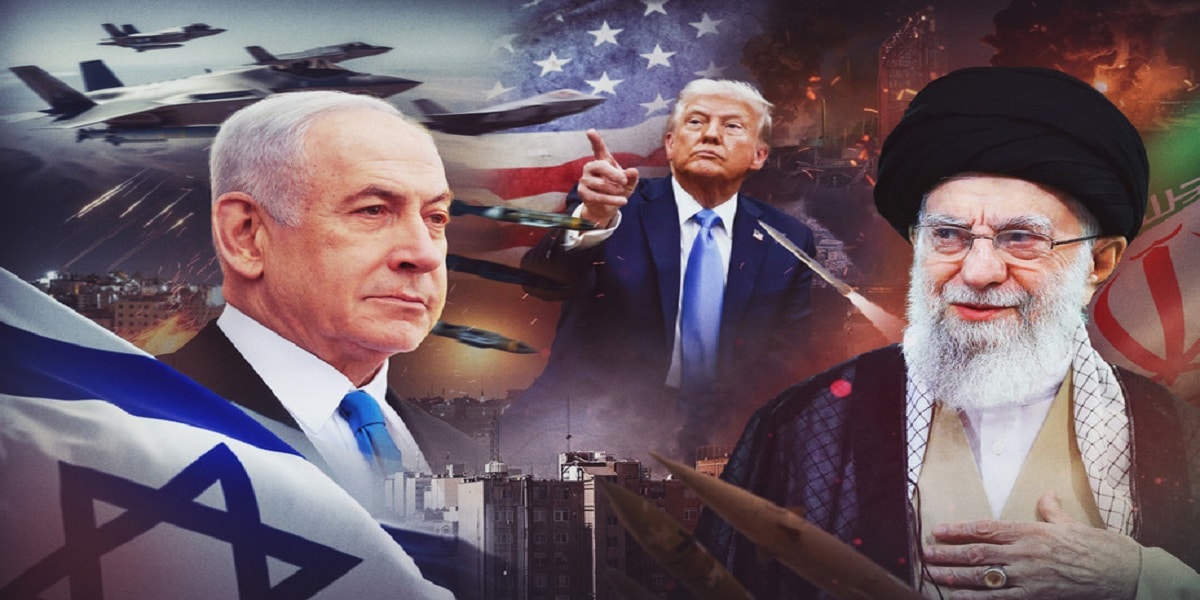
As tensions between Iran and Israel escalate, the motives behind recent Israeli strikes inside Iranian territory are being reevaluated through a broader geopolitical lens. While nuclear fears remain a talking point, Iran’s ascension within the BRICS alliance has introduced a powerful new dimension to the calculus of conflict.

The inclusion of Iran into BRICS- an economic bloc made up of Brazil, Russia, India, China, and South Africa—has shifted strategic balances. Tehran brings vast energy resources, a key position along the International North-South Transport Corridor, and defiance toward Western hegemony. For the U.S. and Israel, this is more than just about uranium enrichment – it’s about preventing a non-Western power from strengthening a multipolar world order.

“This isn’t just about Iran’s nuclear file or regional meddling,” says a geopolitical analyst at the Global South Institute. “It’s about weakening BRICS from the inside. A Western-aligned Iran could act like a Trojan horse within the bloc.”

Such a scenario would upend the alliance’s cohesion and challenge broader Eurasian projects like China’s Belt and Road Initiative and Russia’s efforts to counterbalance NATO. Unsurprisingly, both Moscow and Beijing are offering Tehran quiet but unmistakable support – strategic partnerships, arms deals, and public diplomatic backing – while warning against external interference.

What’s at stake isn’t just Iran’s political future but the fate of a new global order. Should regime change succeed, Iran could normalize relations with Israel, join the Abraham Accords, and undermine BRICS initiatives from within.

But unlike past targets of U.S.-led intervention, Iran is neither small nor fragile. With nearly 90 million people, advanced military capabilities, and allies across the region, Iran can retaliate on a scale that would reverberate globally – especially through its control over the Strait of Hormuz.

The costs of conflict would be catastrophic. The solution? Real diplomacy – not just threats. As the world tilts toward multipolarity, Iran’s future may determine whether that vision holds or fractures under pressure.

Related Posts

Bric vs nato powers

BRICS vs NATO in 2025: Military Power, Numbers and Strategic Reach

The expanding rivalry between BRICS and NATO is reshaping global security debates, raising a central question: who is more powerful...

Asean china

Why ASEAN’s Security Future Depends on Non-Alignment, Not BRICS

ASEAN’s strategic relevance has never rested on military projection or bloc politics. Its influence comes from a quieter strength: the...

Emanuel macron brics

Macron Warns Against a Divided World, Urges BRICS and G7 to Avoid Rivalry

French President Emmanuel Macron has issued a stark warning against the growing fragmentation of the global order, cautioning that neither...

5

BRICS News delivers the latest updates, insights, and trends shaping the alliance and its global impact. Stay informed with reliable, timely, and impactful news on economic and collaborative developments.

Facebook
Twitter
VK
  • Home
  • Politics
    • Foreign Policy
    • Governance & Policy
    • Geopolitical Strategy
    • Security & Defense
    • Human Rights
    • Elections
  • Economy
    • Banking News
    • BRICS Healthcare News
    • BRICS Energy News
    • Transport News
    • Agriculture News
    • Tourism News
  • World News
  • BRICS Cooperation
  • BRICS Explained
    • Members
    • Candidates
    • Summits
  • Home
  • Politics
    • Foreign Policy
    • Governance & Policy
    • Geopolitical Strategy
    • Security & Defense
    • Human Rights
    • Elections
  • Economy
    • Banking News
    • BRICS Healthcare News
    • BRICS Energy News
    • Transport News
    • Agriculture News
    • Tourism News
  • World News
  • BRICS Cooperation
  • BRICS Explained
    • Members
    • Candidates
    • Summits
  • Privacy Policy
  • Copyright Policy
  • Financial Disclaimer
  • Privacy Policy
  • Copyright Policy
  • Financial Disclaimer

© Crafted with love by Sirius

No Result
View All Result
  • Homepages

© 2018 JNews by Jegtheme.